
Is Bali Worth Visiting? Pros, Cons & What to Expect


Bali is still worth visiting for many travellers, but it is no longer the version of the island many people imagine.
Tourism has transformed parts of Bali over the past two decades. Busy beach towns, heavy traffic, and rapid development now sit alongside rice terraces, temples, and dramatic coastal landscapes. For some travellers, that contrast is part of the appeal. For others, it can be disappointing.
Whether Bali is worth visiting today depends largely on what you expect from the trip. Travellers looking for variety, good value, and an easy introduction to Southeast Asia often find Bali delivers. Those hoping for quiet beaches and an untouched island usually leave with a very different impression.
This post looks at the pros and cons of visiting Bali today, what the island actually feels like to travel around, and who Bali tends to suit best.
Is Bali Worth Visiting?
Yes, Bali is still worth visiting for many travellers. However, the island today is very different from the quiet tropical destination many people picture. Tourism has reshaped parts of the island, bringing crowds, traffic, and rapid development alongside the temples, rice terraces, and coastal scenery that made Bali famous.
For travellers looking for variety, good value accommodation, and an easy introduction to Southeast Asia, Bali can still be an excellent choice. Travellers expecting empty beaches and an untouched island experience may find the reality quite different.
Pros and Cons of Visiting Bali

Before deciding whether Bali is worth visiting, it helps to understand both sides of the experience. The island offers beautiful scenery and strong travel infrastructure, but its popularity also brings some challenges.
Pros:
• Diverse landscapes including beaches, rice terraces, and volcanoes
• Excellent value accommodation, from villas to boutique hotels
• Strong food, café, and wellness culture
• Easy introduction to Southeast Asia for first-time visitors
Cons:
• Crowds in the most popular tourist areas
• Heavy traffic, particularly in southern Bali
• Rapid development in parts of the island
• Environmental pressure from large-scale tourism
Why Bali Is Still Worth Visiting
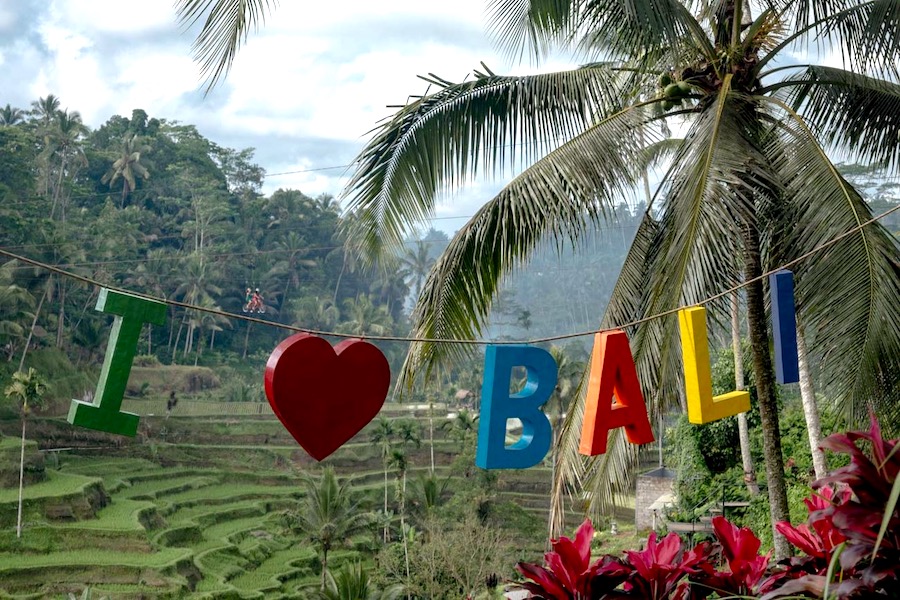
Despite the criticism it sometimes receives, Bali continues to attract millions of visitors each year. Much of that comes down to how easy the island makes travel. Few destinations combine dramatic scenery, a distinct culture, and well-developed tourism infrastructure within such a small area.
Bali is no longer a quiet or undiscovered destination, but for many travellers it still offers a type of trip that is difficult to replicate elsewhere in Southeast Asia.
Landscape variety in a small area
Bali offers a surprising amount of landscape variety. Within a relatively small island, you can move between beaches, rice terraces, jungle valleys, and volcanic landscapes.
This makes it easy to build a varied trip without constantly packing up and moving on. For travellers with limited time, that convenience is a major part of Bali’s appeal.
Good value accommodation
Bali remains one of the few places where comfortable villas, boutique hotels, and private pool stays are still relatively accessible. Compared with Europe, Australia, or North America, the level of accommodation available for the price can feel surprisingly high.
Even travellers on moderate budgets often find they can stay somewhere far more comfortable than they expected.
Food, cafés, and wellness culture
Alongside traditional Indonesian dishes served in local warungs, Bali has developed a large international dining scene. In areas such as Canggu, Seminyak, and Ubud, cafés and restaurants cater to travellers from all over the world.
The island has also become known for yoga retreats, wellness centres, and health-focused travel. For people looking to slow down for a while rather than move quickly between destinations, Bali often works well as a place to stay longer.
An easy introduction to Southeast Asia
For travellers visiting Southeast Asia for the first time, Bali can feel easier to navigate than many other destinations in the region. Accommodation is easy to arrange, transport options are widely available, and the tourism industry is well established.
It may not offer the same sense of discovery as less developed destinations, but the relative ease of travelling around the island is a major reason many people choose Bali as their first stop in the region.
The Downsides of Visiting Bali

Bali’s popularity comes with trade-offs. In the busiest parts of the island, tourism shapes much of the experience, and that can affect everything from traffic to the overall atmosphere.
These issues do not ruin every trip, but they are important to understand before visiting. For some travellers, they are minor inconveniences. For others, they can significantly change how Bali feels compared with the image many people have of the island.
Crowds in the busiest parts of the island
Overtourism is one of the biggest criticisms of Bali today, and some travellers now describe parts of the island as too touristy, particularly in areas such as Canggu, Seminyak, and central Ubud.
At popular attractions, it is common to encounter queues, organised tours, and busy viewing areas. Travellers expecting quiet temples or empty rice terraces are often surprised by how crowded these places can be.
Traffic and slow travel times
Getting around Bali often takes longer than visitors expect. Narrow roads and a large number of cars and scooters mean traffic congestion is common, particularly in southern Bali.
Journeys that appear short on a map can take much longer in reality. Moving between different parts of the island often requires careful planning, especially during busy travel periods.
Rapid development in tourist areas
Tourism has driven rapid development in parts of Bali over the past two decades. New villas, cafés, hotels, and beach clubs continue to appear, particularly in areas such as Canggu and Seminyak.
While this development has improved infrastructure and accommodation options, it has also changed the character of some areas. Travellers expecting traditional villages or quiet coastal towns may find parts of Bali feel far more built up than anticipated.
Environmental pressure from tourism
The scale of tourism on the island has also created environmental challenges. Waste management and plastic pollution remain visible issues in some areas, particularly after heavy rain or during certain seasons.
Many organisations and local initiatives are working to improve the situation, but it is something travellers are likely to notice when visiting the island.
Where You Stay in Bali Matters

One of the biggest factors influencing whether travellers enjoy Bali is where they choose to stay. The island often gets discussed as if it were a single destination, but in reality, different areas offer very different experiences.
Some parts of Bali are busy and heavily developed, while others remain quieter and more traditional. Understanding these differences can make a significant impact on how Bali feels during a trip.
Canggu and Seminyak
Canggu and Seminyak are among the most popular areas in Bali, particularly with younger travellers, surfers, and digital nomads. Beach clubs, cafés, boutique hotels, and nightlife dominate much of the landscape.
These areas largely replaced nearby Kuta, which was once Bali’s main tourist hub. Kuta still attracts large numbers of visitors, particularly those looking for nightlife and package-style holidays, but many travellers now prefer the restaurants, accommodation, and atmosphere found further along the coast.
Traffic congestion is common across this part of southern Bali, and the overall atmosphere can feel more international than traditionally Balinese.
Ubud
Ubud sits inland and is often associated with rice terraces, temples, and wellness retreats. The surrounding countryside still offers beautiful scenery, but the town itself has become one of the most visited places in Bali.
Central Ubud can feel crowded during the day, with tour groups and heavy traffic, though staying slightly outside the town centre often provides a quieter experience.
Uluwatu
Uluwatu lies on the southern Bukit Peninsula and is known for its dramatic coastal cliffs and surf culture. Compared with the busier towns further north, the area often feels more relaxed.
Many visitors come for the beaches, sunset views, and beach clubs along the cliffs. The area is more spread out, so getting around usually requires a scooter or a driver.
Quieter areas such as Sidemen or Amed
Travellers looking for a slower pace often head to parts of Bali that receive fewer visitors. Areas such as Sidemen in the east offer views of rice terraces and Mount Agung, while coastal towns like Amed are known for diving and a quieter atmosphere.
These places feel noticeably different from the busiest tourist centres, although they also have fewer restaurants, attractions, and transport options.
Who Bali is actually right for

Bali tends to work best for travellers who value variety, comfort, and a relatively easy travel experience. While it may not offer the same sense of discovery as some less developed destinations in Southeast Asia, it suits certain types of trips particularly well.
First-time visitors to Southeast Asia
For travellers visiting Southeast Asia for the first time, Bali is often an approachable starting point. Accommodation is easy to arrange, transport options are widely available, and the tourism infrastructure is well established.
While other destinations in the region may feel more adventurous, Bali removes much of the uncertainty that can come with travelling somewhere new.
Travellers who want variety without complicated travel
One of Bali’s strengths is how much it offers within a relatively small island. Beaches, temples, rice terraces, waterfalls, and volcanic landscapes are all reachable without internal flights or long travel days.
This makes it possible to experience different parts of the island while still keeping a relatively relaxed itinerary.
Long-stay travellers and digital nomads
Bali has become one of the most popular places in Southeast Asia for longer stays. A combination of affordable accommodation, reliable internet in many areas, and an established international community makes it easy for people to settle for weeks or even months.
Places like Canggu and Ubud in particular attract travellers who combine work, fitness, and social life while living abroad.
Travellers looking for comfortable accommodation
Compared with many destinations around the world, Bali still offers strong value when it comes to accommodation. Private villas, boutique hotels, and resorts are widely available across different price ranges.
For travellers who want a comfortable place to stay while exploring the island, Bali often delivers a level of accommodation that would cost significantly more elsewhere.
Who Might Be Disappointed by Bali
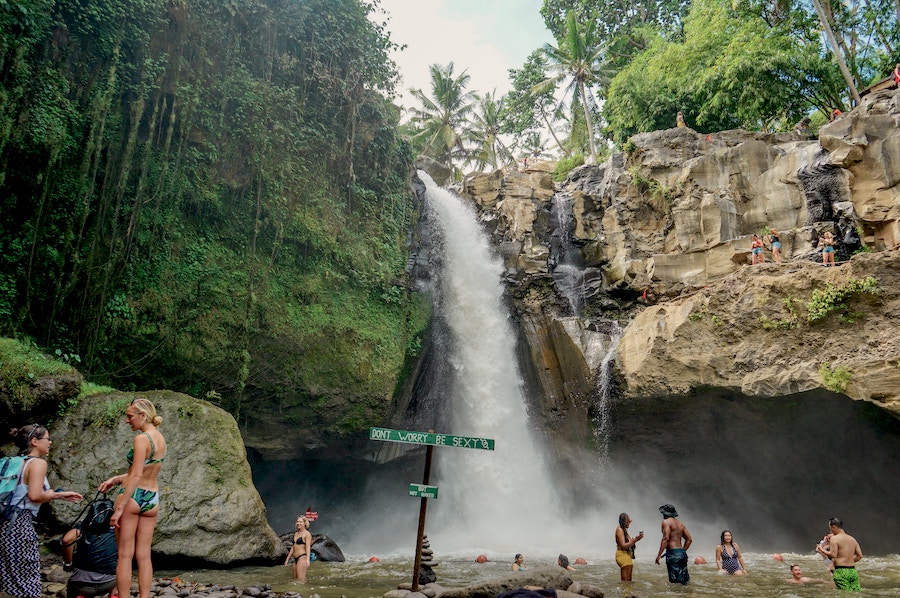
Despite its popularity, Bali is not the right destination for every type of traveller. The island has changed significantly over the past few decades, and expectations often shape whether visitors enjoy their trip.
Travellers who arrive expecting a quiet, untouched island may find the reality quite different.
Travellers expecting empty beaches and quiet temples
Bali is one of the most visited islands in Southeast Asia, and that popularity is noticeable in many of its best-known locations. Temples, rice terraces, and waterfalls that appear peaceful in photos often attract large numbers of visitors.
Those hoping to experience these places in complete solitude are often surprised by how busy they can be, particularly during peak travel seasons.
Travellers who dislike busy, developed destinations
Parts of Bali have experienced rapid development driven by tourism. Areas such as Canggu, Seminyak, and parts of Ubud now feature dense clusters of cafés, restaurants, villas, and beach clubs.
While this creates plenty of options for visitors, it also means some areas feel far more built up than travellers expect.
Travellers looking for remote adventure travel
Compared with other destinations in Indonesia or Southeast Asia, Bali offers a more structured travel experience. Accommodation, transport, and organised tours are widely available, which makes the island easier to navigate.
For travellers seeking remote landscapes or a strong sense of discovery, other destinations in the region may offer a more adventurous experience.
Travellers hoping to see everything quickly
Although Bali is relatively small, traffic and narrow roads can make travelling around the island slower than expected. Attempting to visit too many places in a short trip can quickly lead to long travel days.
Many visitors enjoy Bali more when they focus on one or two areas rather than trying to see the entire island in a limited amount of time.
The Reality of Visiting Bali
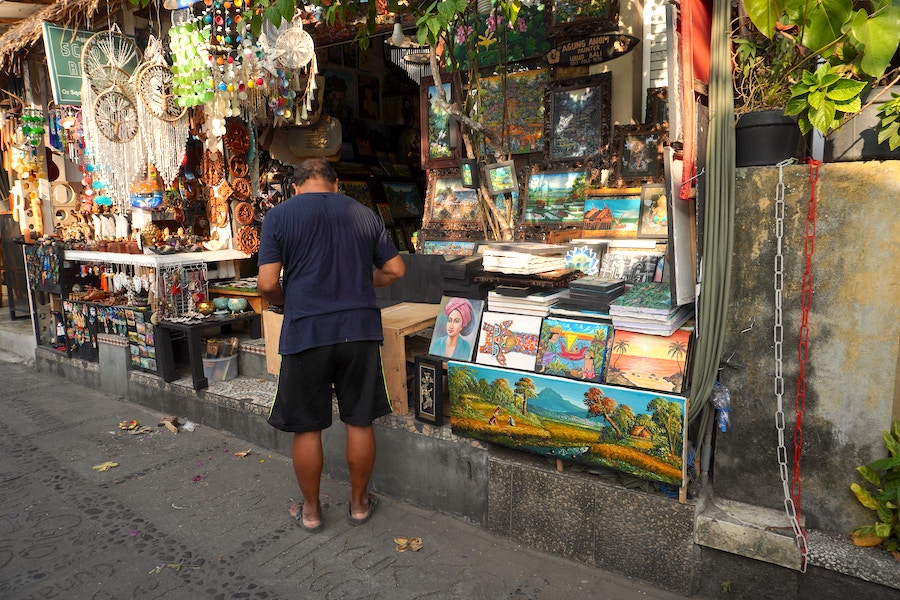
One of the biggest misconceptions about Bali is that the entire island looks like the images people see online. This gap between expectations and reality is also why some travellers begin to wonder whether Bali is overrated.
Images of empty rice terraces, quiet temples, and secluded beaches are everywhere, but they rarely show how popular many of those places have become. Bali is one of the most visited destinations in Southeast Asia, attracting millions of visitors each year according to official Indonesian tourism statistics.
In areas such as Canggu, Seminyak, and central Ubud, that popularity is impossible to ignore. Traffic, busy attractions, and rapid development are now part of the experience in many of the island’s best-known locations.
The travellers who enjoy Bali the most are usually the ones who arrive with realistic expectations. Bali is not an untouched island paradise, but it still offers beautiful landscapes, a distinctive culture, and a travel experience that can be both comfortable and varied.
Understanding that balance is often the difference between a disappointing trip and a very good one.
Is Bali Still Worth Visiting?
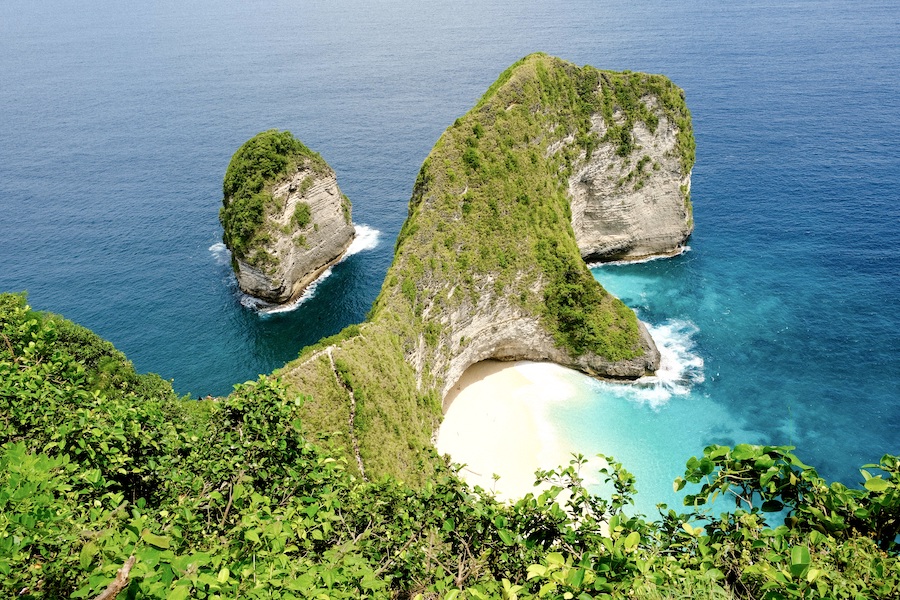
Bali remains a rewarding destination for many travellers, even though the island has changed significantly in its busiest areas.
Tourism has changed parts of the island significantly, particularly in the busiest areas where traffic, development, and large numbers of visitors are now part of the experience.
At the same time, Bali continues to offer a combination that few destinations match as easily. The island brings together beaches, rice terraces, temples, and a distinctive culture within a relatively small area, alongside accommodation and infrastructure that make travelling relatively straightforward.
For travellers looking for variety, comfortable accommodation, and an accessible introduction to Southeast Asia, Bali can still be an excellent choice. Those expecting empty beaches and an untouched tropical island may find the reality quite different.
In the end, whether Bali is worth visiting largely comes down to expectations. Travellers who arrive understanding what the island is today, and who choose their base carefully, are far more likely to enjoy what Bali still does well.