
Malaga in Winter: Weather, Things to Do & What to Expect
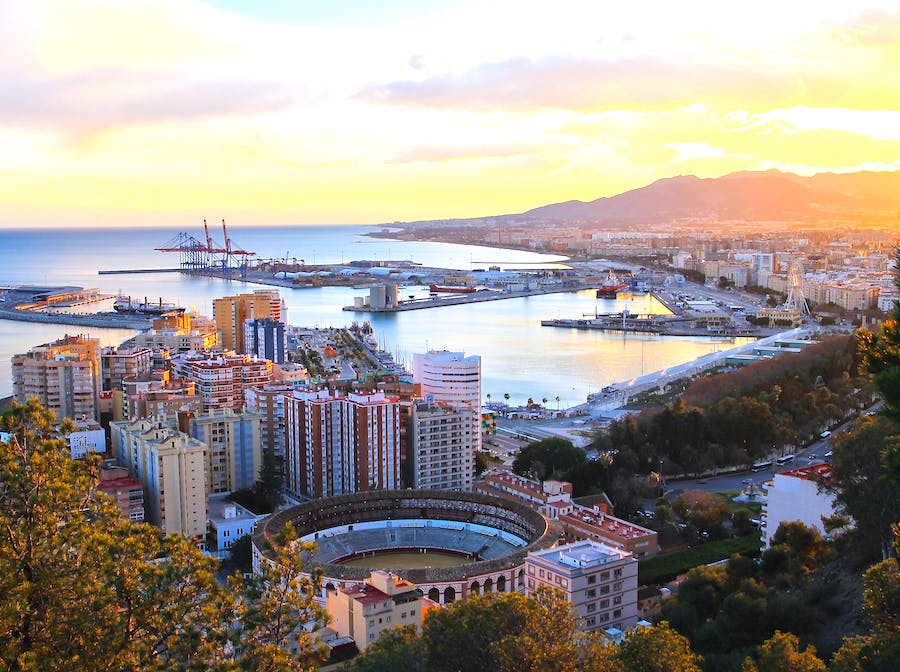

Malaga in winter is a great option if you’re looking to escape the colder weather elsewhere in Europe. With mild temperatures, plenty of sunshine and fewer tourists than in summer, it’s an ideal destination for a winter city break.
We visited Malaga in early December as part of a trip around Andalucía, which also took us to Ronda, Seville and Granada. We spent a couple of days wandering around Malaga and really enjoyed it.
The weather wasn’t particularly cold, the streets were quieter than we’d expected and seeing the Christmas lights in the evening was a lovely bonus. We enjoyed it enough that we’d love to return in the summer.
I’ve also asked my fellow travel blogger Mark from MJ Travel Guides to share his recommendations for visiting Malaga in winter, including the best things to do and what to expect from the weather.
Is Malaga Worth Visiting in Winter?

Yes, Malaga is definitely worth visiting in winter, particularly if you’re more interested in sightseeing than spending your holiday on the beach.
One of the biggest advantages is being able to explore attractions such as the Alcazaba Fortress and Gibralfaro Castle without the intense summer heat. Malaga’s historic centre is also easy to explore on foot, with plenty of restaurants, markets and museums to visit if the weather turns. Most major attractions stay open throughout winter, although some have shorter opening hours and seasonal beach facilities may be closed.
Winter is generally quieter than summer, although Christmas and New Year can still attract plenty of visitors. We found early December surprisingly quiet, even with the Christmas celebrations beginning.
The main compromise is the weather. You can still enjoy sunny afternoons outdoors, but it’s not reliably warm enough for swimming or sunbathing. If you’re after a winter city break rather than a beach holiday, Malaga is an excellent choice.
What Is the Weather Like in Malaga in Winter?
Malaga has some of the mildest winter weather in Europe, with daytime temperatures typically reaching around 16 to 18°C between December and February. It’s a welcome change if you’re travelling from somewhere much colder, although evenings can still be chilly.
There’s often plenty of sunshine, making winter a good time to explore Malaga on foot. However, rain is possible, and temperatures can drop to around 8 to 10°C overnight, so don’t expect warm weather throughout the day.
December is particularly appealing for Malaga’s Christmas lights, while January is generally the coldest month and often quieter after the festive period. February brings slightly longer days as spring approaches, along with the city’s Carnival celebrations.
When we visited in early December, we found the temperatures comfortable for wandering around the city. You’ll probably still want a jacket, particularly once the sun goes down.
The beaches are lovely for a walk or sitting outside on a sunny afternoon, but the sea is generally too cold for comfortable swimming unless you’re used to colder water.
Best Things To Do In Malaga In Winter
There are plenty of things to do in Malaga in winter, and the cooler temperatures make exploring the city’s historic attractions particularly enjoyable. Most of the main sights remain open throughout the year, so you won’t miss out on much by visiting outside the summer months.
From the Alcazaba Fortress and Gibralfaro Castle to Christmas celebrations and day trips around Andalucía, here are some of the best places to visit and activities to enjoy during winter.
1. Explore the Alcazaba Fortress and Gibralfaro Castle
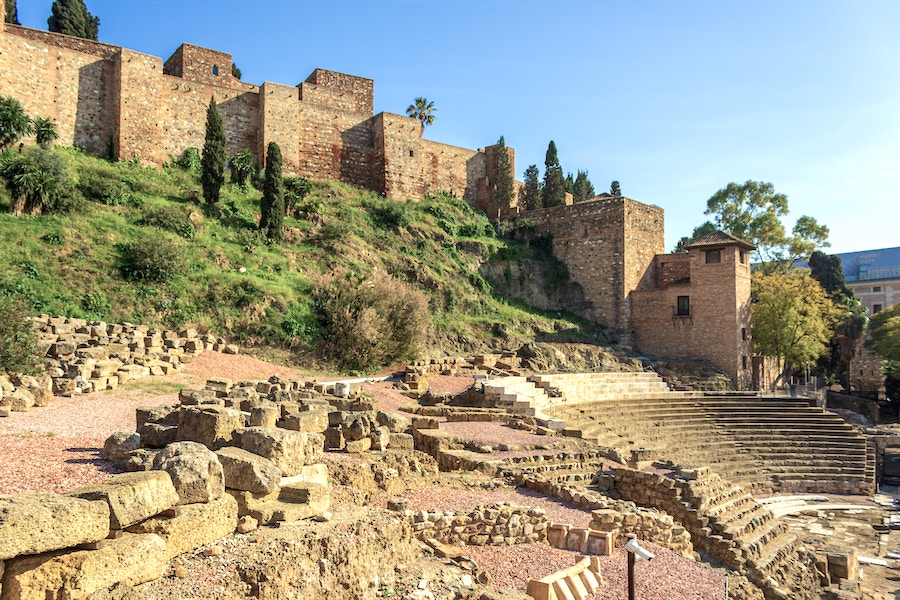
The Alcazaba Fortress is one of Malaga’s most impressive historical attractions and a great place to explore during winter, when the cooler temperatures make walking around much more comfortable.
Built during Islamic rule in the 11th century, the fortress has beautiful courtyards, gardens and views across Malaga’s old town. Allow around one to two hours to explore it properly.
You can also combine your visit with Gibralfaro Castle, a 14th-century fortress overlooking the city and harbour. The walk uphill is fairly steep, but the panoramic views from the castle and nearby Mirador del Gibralfaro are worth considering if you enjoy a good viewpoint.
Both attractions remain open in winter, although closing times are earlier than in summer. A combined ticket is available if you want to visit both.
2. See Malaga’s Christmas Lights
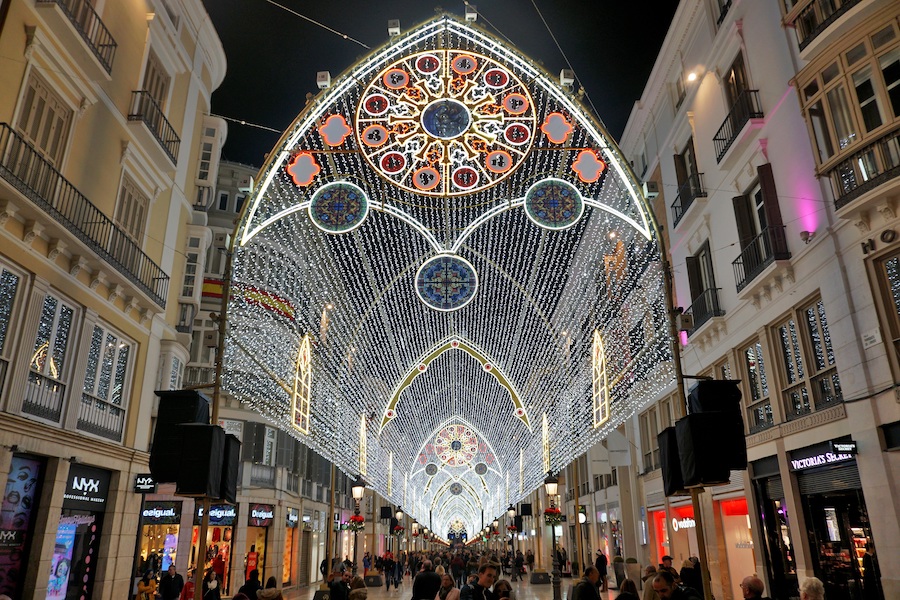
If you’re visiting Malaga in December, the Christmas lights along Calle Larios are one of the highlights of the festive season.
The city’s main shopping street is transformed with elaborate illuminated decorations and musical light displays, attracting visitors throughout the Christmas period.
We were lucky enough to see the Christmas lights during our early December visit. Wandering around Malaga in the evening with the decorations overhead was one of the things we particularly enjoyed, especially as the weather wasn’t unbearably cold.
The displays usually continue into early January, around the Three Kings celebrations. However, the designs and show times can change each year, so check the latest programme before visiting.
If you’re staying over New Year’s Eve, Plaza de la Constitución is a popular gathering place for the celebrations. It’s worth booking restaurants ahead and joining the Spanish tradition of eating twelve grapes at midnight.
3. Visit the Picasso Museum and Malaga’s Other Museums

Malaga is the birthplace of Pablo Picasso, and the Picasso Museum is one of the city’s best-known cultural attractions.
Housed in the historic Palacio de Buenavista, the museum contains works spanning different periods of Picasso’s career. It’s worth allowing at least an hour, or longer if you’re particularly interested in his art.
Winter is a good time to explore Malaga’s museums, especially when the weather isn’t suitable for spending the whole day outdoors.
Other options include the Carmen Thyssen Museum, which focuses on Spanish art, and the Centre Pompidou Malaga near the harbour, known for its contemporary art exhibitions.
You don’t need to visit every museum, but having a few indoor options is useful if you encounter a rainy afternoon.
4. Explore Mercado Central de Atarazanas

If you enjoy trying local food, Mercado Central de Atarazanas is worth including in your Malaga itinerary.
The traditional food market is housed in a striking 19th-century building with an iron structure and colourful stained glass. Inside, you’ll find stalls selling fresh seafood, meat, fruit, vegetables and other local produce.
It’s worth arriving early, as the market generally operates from morning until early afternoon, Monday to Saturday.
It’s a good place to browse the stalls, stop for something to eat and experience a different side of Malaga beyond its main tourist attractions.
5. Walk Around Malaga’s Historic Centre
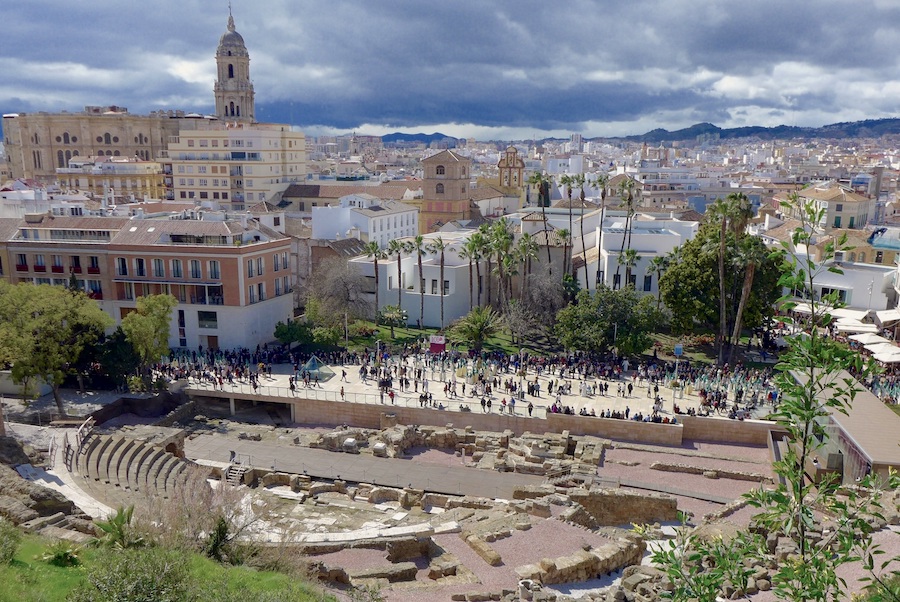
One of the simplest things to do in Malaga in winter is spend time exploring its historic centre.
The cooler weather makes wandering between the city’s squares, pedestrian streets and historic buildings particularly enjoyable.
Malaga Cathedral is one of the main landmarks, with its Renaissance architecture and impressive interior. Nearby, the Roman Theatre sits at the foot of the Alcazaba and dates back to the first century AD.
You can easily combine these sights with a walk through the surrounding streets, stopping at cafés or restaurants along the way.
We spent much of our time in Malaga simply wandering around, rather than following a packed sightseeing itinerary. It was a lovely way to enjoy the city in early December, particularly as the streets weren’t as busy as we’d expected.
6. Walk Along Malaga’s Beaches
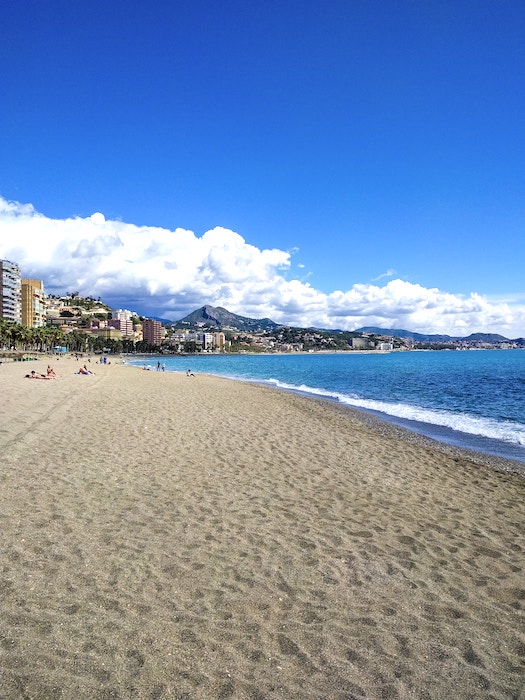
Malaga might be famous for its beaches, but visiting in winter is a different experience from a summer holiday.
Playa de la Malagueta is the closest major beach to the city centre and is easily reached on foot. It’s a good option for a coastal walk or spending some time outside when the sun is shining.
Pedregalejo is another option, particularly if you’d like to combine a beach walk with lunch at one of the area’s seafood restaurants.
You might get lucky with a warm, sunny afternoon, but swimming and sunbathing shouldn’t be the main reason for visiting Malaga in winter. The sea is cold, and some seasonal beach facilities may not be operating.
For a relaxing walk beside the Mediterranean, however, the beaches are still worth visiting.
7. Experience Malaga’s Carnival in February

Malaga’s annual Carnival is one of the city’s main winter celebrations and a good reason to consider visiting in February.
The festival includes colourful costumes, music, street performances and parades, with much of the activity taking place around the historic centre.
It’s a chance to experience a different side of Malaga from the usual museums and sightseeing attractions.
Carnival dates change each year, so it’s worth checking the official programme before planning your trip. If you’re visiting outside the festival period, there’s no need to rearrange your itinerary around it.
8. Walk Through Malaga Park and Along the Harbour
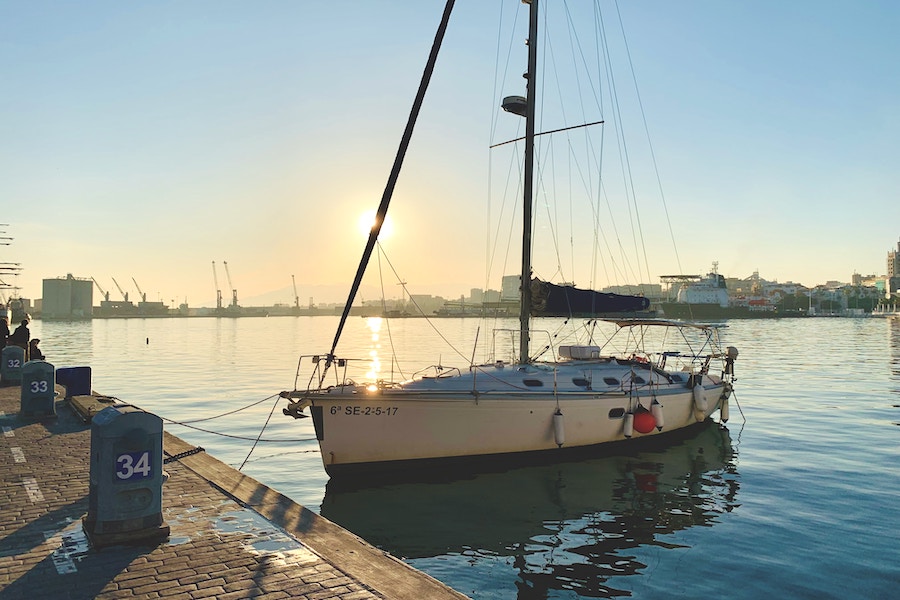
For a less demanding activity, take a walk through Malaga Park and continue towards the harbour.
Parque de Malaga dates back to the late 19th century and contains palm trees, subtropical plants, fountains and shaded paths. It’s a pleasant place to wander without needing to book anything or follow a particular route.
From there, you can continue towards Muelle Uno, Malaga’s waterfront shopping and restaurant area.
The harbour has plenty of places to stop for food or a drink, and you can enjoy views towards the sea and the city’s waterfront.
You can combine the park and harbour in one walk without setting aside a whole day, making it an easy addition to a short Malaga itinerary.
9. Relax at Hammam Al Ándalus
If the weather turns cold or rainy, Hammam Al Ándalus offers a different way to spend a couple of hours in Malaga.
Inspired by traditional Arab baths, the hammam features pools at different temperatures and optional massage treatments in an elaborately decorated setting.
It’s a good option for couples or anyone wanting a break from sightseeing, particularly after several days of walking around the city.
Unlike Malaga’s outdoor attractions, the hammam doesn’t depend on sunshine, although you’ll need to book ahead rather than simply turning up.
10. Enjoy Tapas, Local Wine or a Flamenco Show

Winter evenings in Malaga are a good opportunity to explore the city’s food and cultural scene.
A food and wine tour can be a useful introduction to local tapas, cheeses, cured meats and wines if you’re unfamiliar with Andalucían cuisine.
You can also explore independently, choosing a few tapas bars around the historic centre rather than committing to an organised tour.
Another option is a flamenco performance. Malaga has several venues offering evening shows, some with food or drinks included.
11. Visit Caminito del Rey
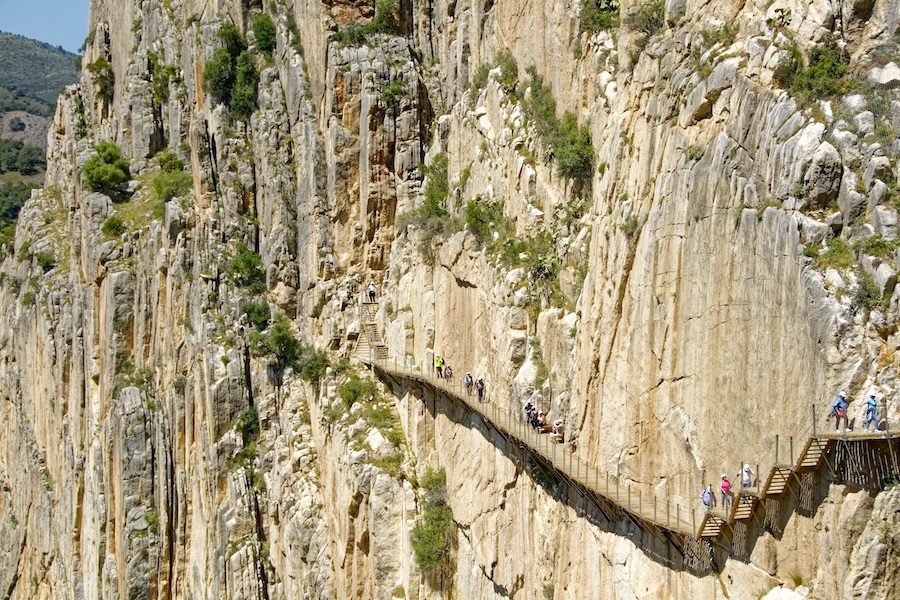
If you’re happy to venture outside Malaga, Caminito del Rey is one of the most memorable outdoor attractions in the surrounding region.
Located near El Chorro, the route follows dramatic gorges and elevated walkways attached to the rock face.
Caminito del Rey is known for its spectacular scenery, although it’s worth remembering that this isn’t a casual stroll around a city park. The route involves several kilometres of walking, and some sections are high above the gorge.
Winter can offer comfortable hiking temperatures, but rain and strong winds may lead to closures. You’ll need to book tickets in advance and check conditions before travelling.
If you enjoy hiking in Spain, routes such as the Camino de Santiago offer a very different experience from the elevated walkways of Caminito del Rey. If you’re uncomfortable with heights or only have a couple of days in Malaga, you may prefer to spend that time exploring the city instead.
12. Take a Winter Day Trip to Ronda, Granada or Seville
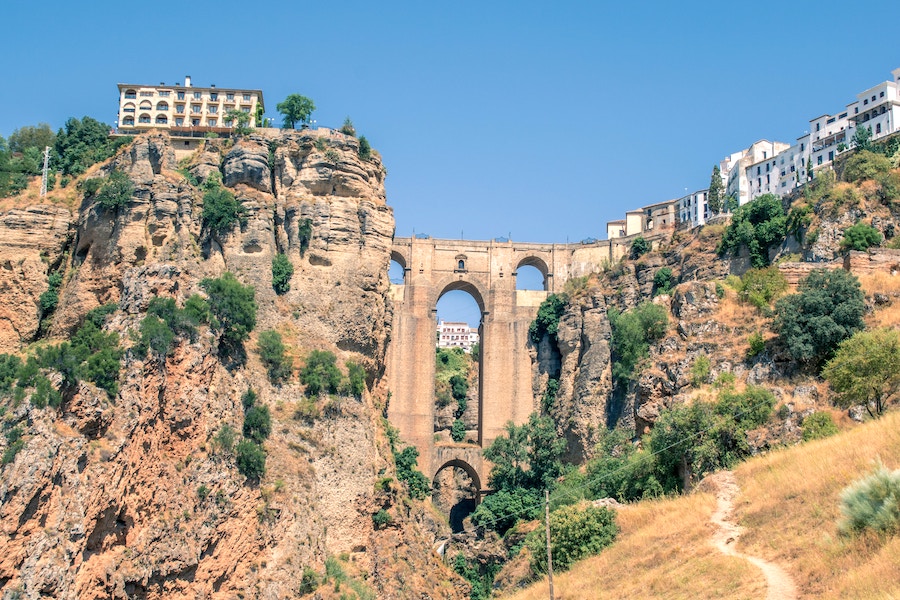
One of the advantages of visiting Malaga in winter is being able to explore more of Andalucía without the intense summer heat.
We actually spent most of our December trip travelling around the region, visiting Ronda, Seville and Granada before returning to Malaga for a couple of days.
Ronda is famous for its dramatic location above the El Tajo gorge and the impressive Puente Nuevo bridge. It’s a particularly appealing choice if you enjoy historic towns and scenic viewpoints.
Granada is best known for the Alhambra, its extraordinary palace and fortress complex. Winter can be a lovely time to explore the city, although Granada is generally colder than Malaga, particularly in the evenings. Book Alhambra tickets well in advance.
Seville is another option, with its historic centre, cathedral and Royal Alcázar. It’s a great place to explore if you’re spending more time in southern Spain. However, it’s further from Malaga, so an overnight stay may be more enjoyable than trying to squeeze everything into a single day.
If you’re only visiting Malaga for a weekend, I wouldn’t try to fit in all three. But if you have a week or longer in Andalucía, combining Malaga with other cities is well worth considering.
What to Wear in Malaga in Winter
Packing layers is the best approach for Malaga in winter. You might be comfortable in a T-shirt or light jumper during a sunny afternoon, but you’ll appreciate a warmer jacket once the sun goes down.
A light coat, jeans or trousers and comfortable walking shoes should cover most sightseeing days. Bring a jumper for cooler mornings and evenings, particularly if you’re planning to spend time outside enjoying the Christmas lights.
It’s also worth packing a small umbrella or waterproof jacket, as winter can bring occasional rain.
You probably won’t need heavy winter clothing unless you’re travelling elsewhere in Andalucía. Cities such as Granada can be noticeably colder than Malaga, especially after dark.