
Is Myanmar Safe in 2026? What You Need to Know
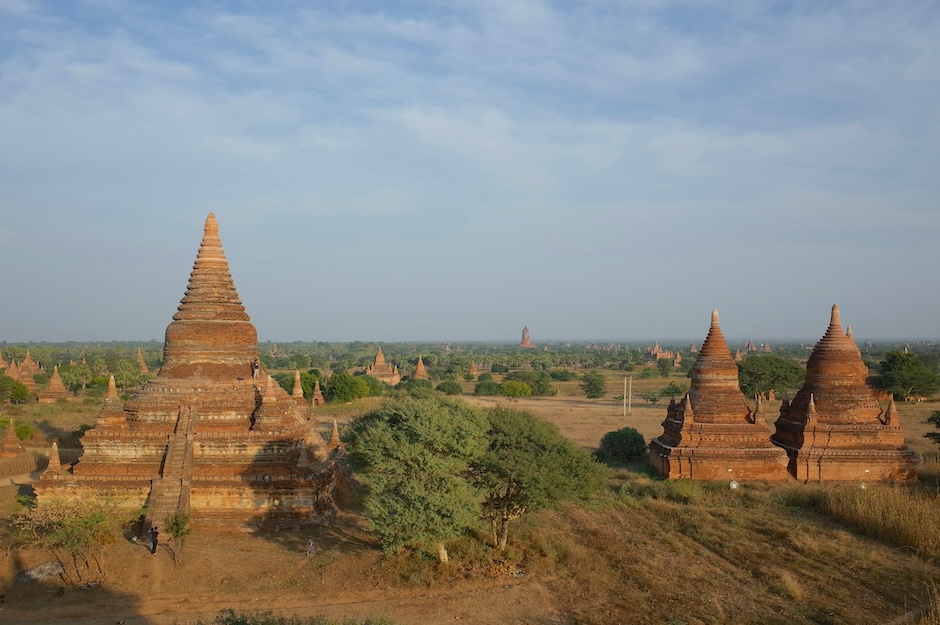
We travelled through Myanmar shortly before the military coup in 2021, and it became one of our favourite countries in Southeast Asia. We had no problems travelling between Yangon, Bagan and Inle Lake, but I wouldn’t use our experience then as evidence that Myanmar is safe today.
In 2026, I wouldn’t visit Myanmar. The country remains affected by armed conflict and political instability, and the US State Department currently advises Americans not to travel there.
That doesn’t mean nobody is going. Some travellers are still visiting Myanmar and returning without incident. But someone having an uneventful trip doesn’t tell you much about the wider risks of travelling through a country where the situation can change quickly.
Myanmar was one of the places we enjoyed most in Southeast Asia, so I don’t say that lightly. In this guide, I’ll explain what’s changed, what the current travel advice actually says, and what I’d consider before deciding whether to visit Myanmar in 2026.
Is Myanmar Safe to Travel to Right Now?

Myanmar is still experiencing armed conflict following the military coup in 2021. Fighting is concentrated more heavily in some parts of the country than others, but the situation can change quickly and isn’t neatly contained to places tourists would never visit.
That makes Myanmar different from destinations where the main concerns are scams, petty theft or dodgy transport. The bigger risks here include armed conflict, checkpoints, sudden restrictions and transport disruption.
When we travelled around Myanmar before the coup, Yangon, Bagan and Inle Lake were straightforward places to visit independently. We took buses between destinations, wandered around on our own and never felt particularly concerned about our safety. I wouldn’t assume that experience translates to travelling there in 2026.
For me, that’s the distinction worth making. Myanmar may still be possible to visit, but that isn’t the same as saying it’s safe to visit.
Are Tourists Still Allowed to Visit Myanmar?
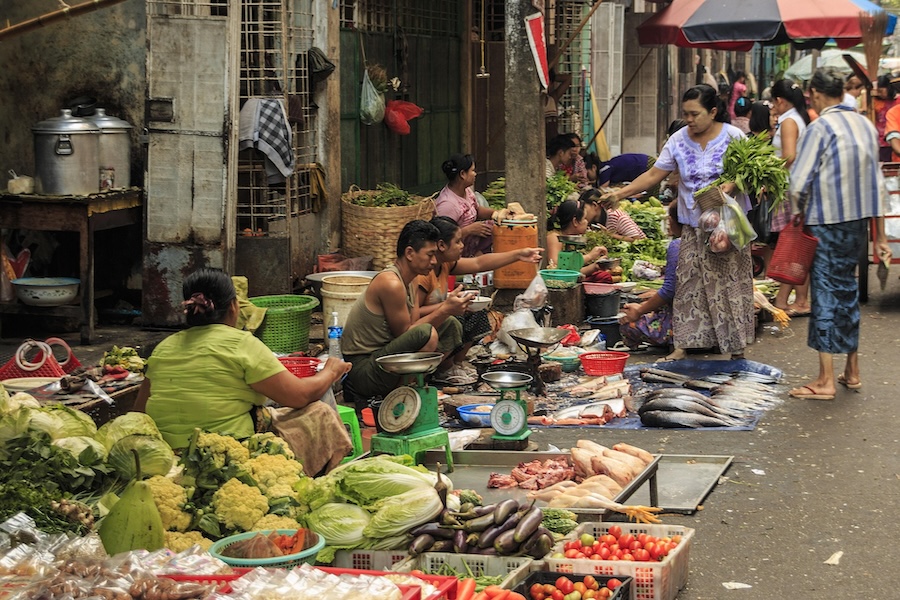
Yes. Myanmar is not closed to tourists, despite the ongoing conflict and strong government travel warnings. Eligible travellers can still apply for a tourist visa and visit the country.
Being allowed to enter, however, is very different from being advised to travel there. Several governments currently advise their citizens against travelling to Myanmar because of the security situation.
There are also restrictions on where foreigners can travel within the country, and these can change with little notice. Even with a valid visa, you shouldn’t assume that every destination or overland route is accessible.
If you’re considering a trip, check the latest visa requirements and travel restrictions before you make plans, then check them again before you travel.
What Does Current Travel Advice Say?
The official advice is clear if you’re travelling from the US. The US State Department currently lists Myanmar as Level 4, Do Not Travel, its highest travel advisory level.
Other governments take a similarly cautious position. Australia advises against all travel to Myanmar, while UK advice is more detailed and varies by region. The FCDO advises against all travel to large parts of the country and against all but essential travel to several others, including Mandalay Region.
Yangon is an important exception. The FCDO does not currently advise against travel to Yangon Region, but it still describes the security situation as volatile and warns that attacks can affect civilians and places regularly used by foreign visitors.
Government advice can sound at odds with travellers who have recently visited Myanmar without problems, but they’re measuring different things. An uneventful trip tells you what happened to one traveller. Official advice is assessing the risks you could face, including situations that are unlikely but potentially serious.
I’d always check the latest advice for your nationality before making a decision. Travelling against official advice can also affect your travel insurance, so check the wording of your policy carefully.
What About Yangon, Bagan, Mandalay and Inle Lake?
Yangon, Bagan, Mandalay and Inle Lake have traditionally formed the backbone of many Myanmar itineraries. That’s roughly the route we followed before the coup, but I wouldn’t describe it as a “safe tourist route” today.
Yangon is less affected by armed conflict than many other parts of Myanmar, and the UK FCDO does not currently advise against travel to Yangon Region. That doesn’t make it risk free. Bombings and other attacks have occurred in the city, and official advice still describes the security situation as volatile.
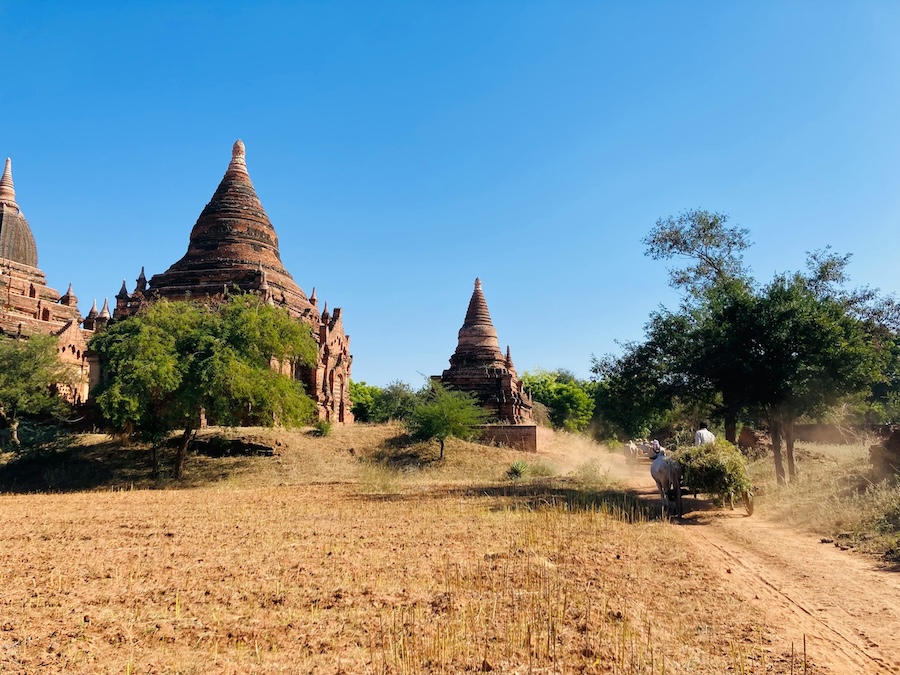
Bagan was the highlight of our trip. We spent our days exploring temples by e-bike, often with surprisingly few other people around. It felt far less polished than the major temple sites we’d visited elsewhere in Southeast Asia, which was a big part of why we liked it.
Today, though, Bagan sits within Mandalay Region, where the FCDO currently advises against all but essential travel. The same applies to Mandalay itself.
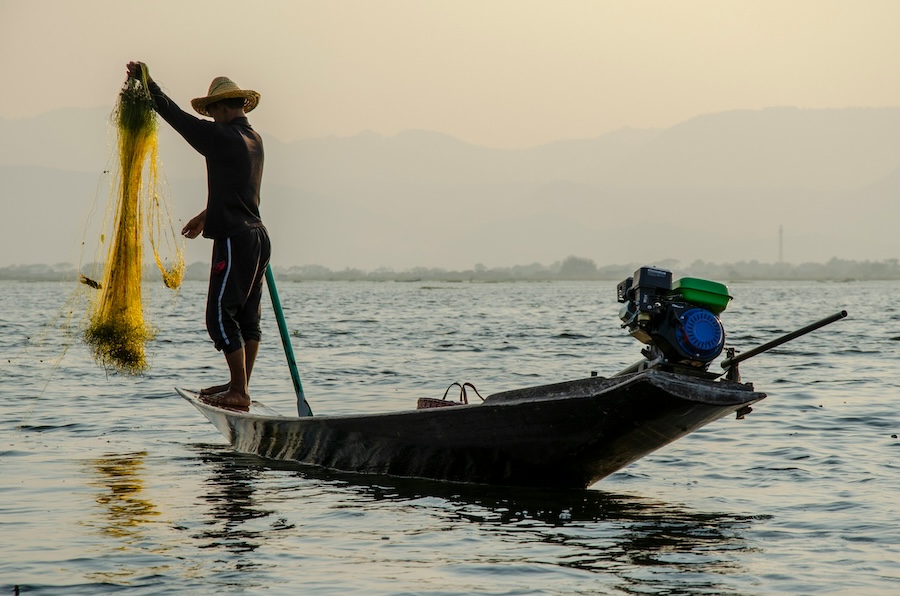
Inle Lake is in Shan State, where the picture varies considerably depending on where you are. Parts of the state are subject to strong travel warnings and active conflict, so I wouldn’t assume Inle is safe simply because it remains a familiar stop on Myanmar itineraries.
I wouldn’t divide Myanmar into a neat list of safe and unsafe tourist destinations in 2026. Conditions vary too much by region, and those labels suggest a level of certainty that isn’t really there.
What Are the Main Risks for Tourists?
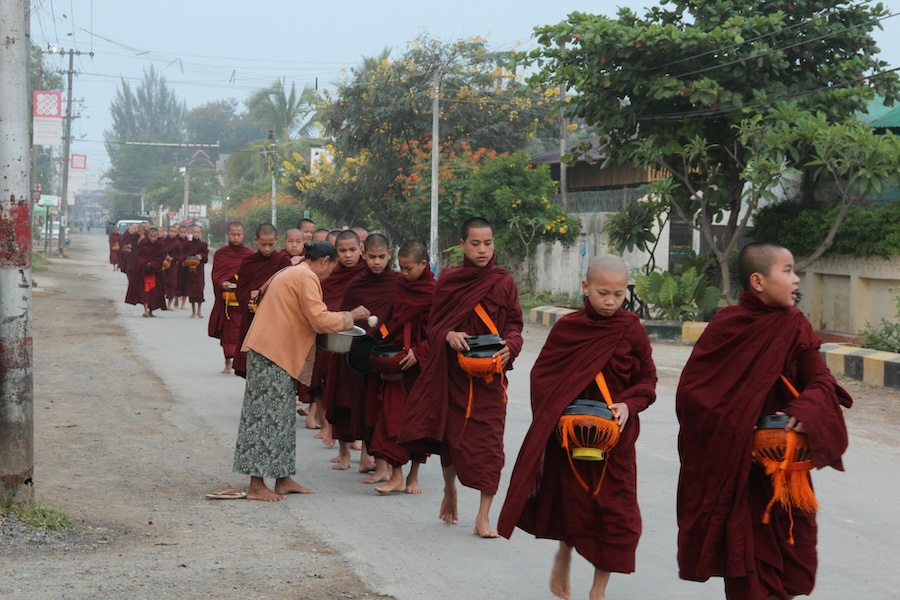
The biggest risks in Myanmar today aren’t the usual travel annoyances. Petty theft and scams can happen, but armed conflict, sudden restrictions and limited help if something goes wrong are much more important when deciding whether to visit.
Armed Conflict and Attacks
Fighting between the military and armed groups continues in several parts of Myanmar. Airstrikes, explosions and other attacks have also occurred away from front lines, including in urban areas.
The difficulty for travellers is that trouble isn’t always predictable. Somewhere appearing calm during your visit doesn’t necessarily make it a low risk destination.
Checkpoints, Curfews and Restrictions
Military checkpoints are part of travelling through some areas, and local restrictions or curfews can be introduced with little warning. Foreigners may also be prevented from entering certain regions or using particular routes.
Avoid photographing military personnel, checkpoints or government buildings, and don’t get involved in demonstrations or political activity. These aren’t situations where I’d take chances just to get a photograph or satisfy my curiosity.
Transport Disruption
Overland travel is less predictable than it was when we visited. Roads can be affected by fighting, checkpoints or closures, while domestic flights and other transport can change at short notice.
Healthcare and Travel Insurance
Medical care is limited compared with many other destinations in Southeast Asia, particularly outside the main cities. If you’re seriously ill or injured, getting appropriate treatment or leaving the country may be difficult.
Some insurance policies may not cover travel to destinations where your government advises against visiting, so check the wording rather than assuming you’re covered simply because you’ve bought a policy.
Is Myanmar Safe for Solo Female Travellers?
Before the coup, Myanmar felt like a relatively easy country to travel around independently. Zuzi and I never felt unsafe walking around Yangon, Bagan or Inle Lake, and the people we met were overwhelmingly friendly and helpful.
For solo female travellers in 2026, though, the current security situation would concern me more than the usual solo travel questions around unwanted attention or harassment.
The risks we’ve covered above apply to everyone, but dealing with a checkpoint, cancelled transport or a medical emergency can be considerably harder when you’re on your own.
That doesn’t mean women are uniquely unsafe in Myanmar, and I wouldn’t pretend our experience travelling as a couple tells us what it’s like to travel there alone as a woman. For me, the wider security situation would be reason enough not to choose Myanmar for a solo trip right now.
Would I Visit Myanmar in 2026?
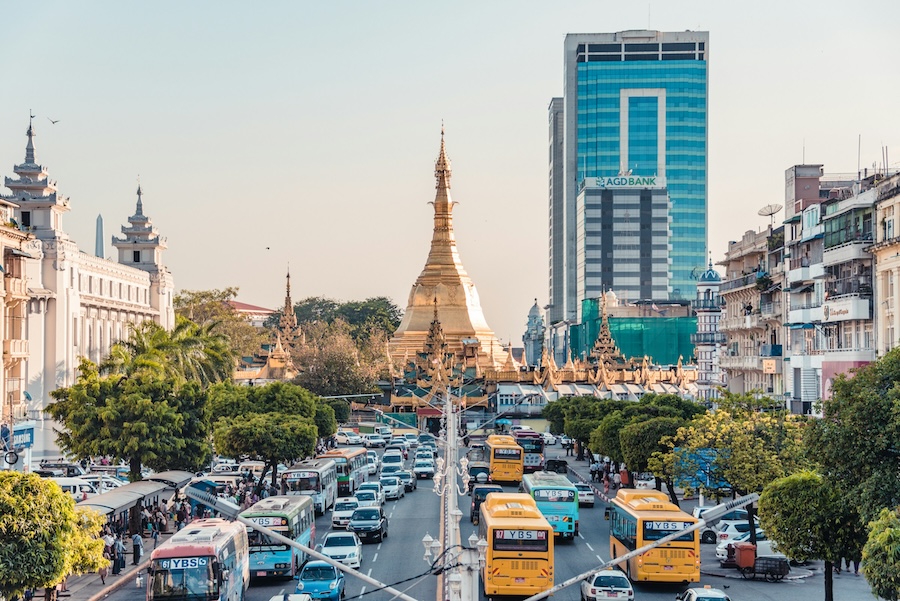
No, I wouldn’t visit Myanmar right now.
That’s not because I think something would definitely happen to us. Plenty of travellers are still visiting and coming home with good experiences. It’s because the potential consequences if something does go wrong are considerably more serious than on a normal trip around Southeast Asia.
It’s a difficult conclusion because Myanmar remains one of my favourite countries we’ve travelled through. Bagan was the highlight of our trip, but just as memorable were the everyday parts of travelling around the country, the people we met and how little tourism seemed to have changed some of the places we visited.
I’m also conscious that it’s easier for me to say “don’t go” when I’ve already had the chance to experience Myanmar during a more stable period. Someone who has wanted to visit for years may look at the risks and reach a different decision.
For me, though, I’d wait. I’d rather return when travelling around Myanmar doesn’t require quite so much calculation about what might happen next.