
Is Madagascar Worth Visiting?

If you are wondering whether Madagascar is worth visiting, the answer will depend on whether you’re comfortable with rough roads, long travel days and plans that could change at the last minute.
Madagascar is not an easy destination, but few places we’ve visited have felt this rewarding.
Journeys that look short on a map turn into full-day drives, and roads disappear into dirt tracks. Even getting between major destinations can take far longer than expected.
Then you find yourself hiking through the limestone peaks of Tsingy de Bemaraha, standing between giant baobab trees at sunrise, or watching lemurs leap through the rainforest with barely anyone else around.
In this post, I’ll go through what we learned during a couple of weeks travelling across Madagascar, including what we loved, what tested our patience, and whether we think the trip was worth it in the end.
Why Madagascar Is Worth Visiting
There are plenty of reasons why Madagascar is worth visiting if you enjoy wildlife, landscapes and trips that still feel unpredictable.
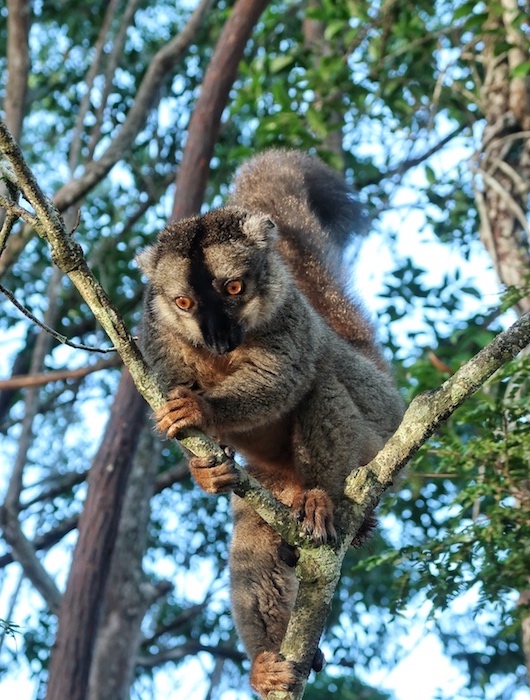
Madagascar feels completely separate from the rest of Africa. Not just geographically, but visually as well. After millions of years evolving away from the mainland, much of the wildlife found here exists nowhere else on Earth. One day, you are driving through dry landscapes filled with giant baobab trees, then suddenly hiking through rainforest or passing remote beaches with barely another traveller around.
Most people visit Madagascar to see lemurs, but during our trip, we also saw chameleons, unusual insects and landscapes that often felt slightly unreal, particularly around Tsingy de Bemaraha.
Tourism infrastructure still feels relatively limited outside a few well-known spots. Even at some of Madagascar’s biggest attractions, we spent long stretches without seeing many other travellers, including along the west coast.
Travelling around Madagascar still feels rougher and less developed than many destinations now, which is also part of the appeal.
Best Things To Do In Madagascar
Madagascar is one of those countries where the landscapes can change completely within a single day. Rainforest turns into dry plains, dirt roads lead to empty beaches, and huge limestone formations suddenly appear in the middle of nowhere.
Most people visit Madagascar for the wildlife, particularly the lemurs, but the country offers far more variety than many first-time visitors expect. These are some of the places and experiences that make Madagascar worth visiting.
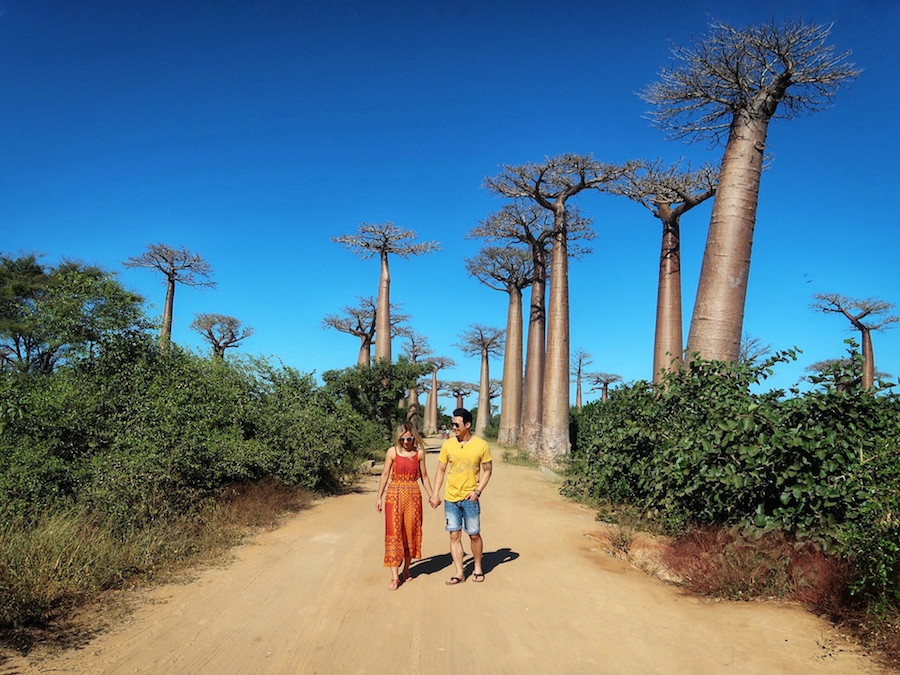
See the Avenue of the Baobabs

The Avenue of the Baobabs is one of the main reasons many people visit Madagascar, and it ended up being one of the highlights of our trip as well.
Located just outside Morondava on the west coast, this stretch of giant baobab trees has become one of Madagascar’s most photographed locations. Some of the trees are thought to be hundreds of years old and look even more surreal at sunrise or sunset when the light turns the entire landscape orange.
Despite becoming more popular in recent years, the area still feels undeveloped once you leave Morondava behind. The paved road quickly disappears, and the scenery becomes drier and dustier than in other parts of Madagascar.
Sunrise was quieter during our visit, although there were still a few photographers already waiting when we arrived. Sunset was busier but far more dramatic for photos.
Visit Tsingy de Bemaraha
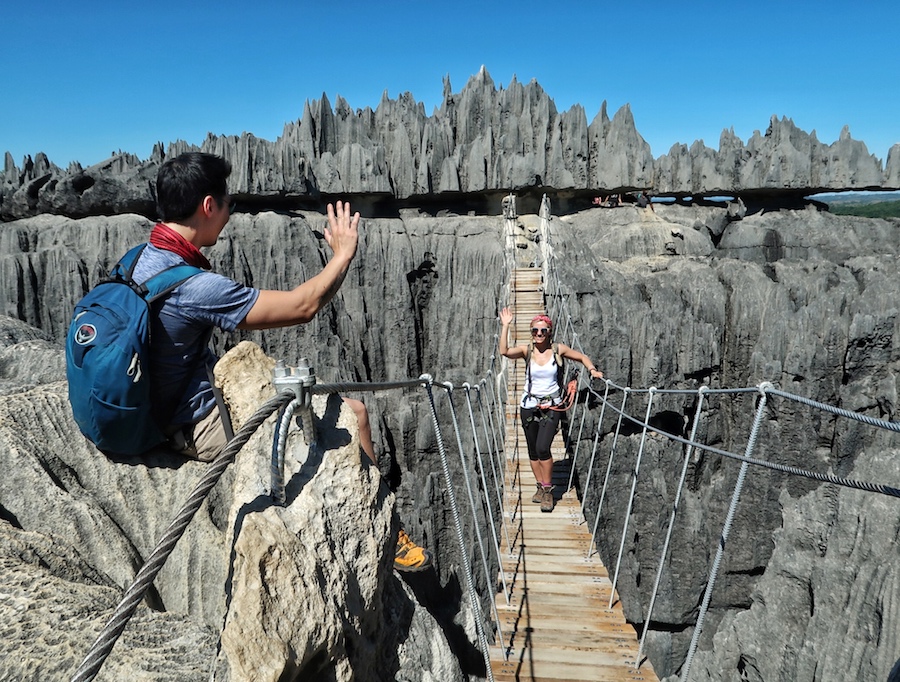
Tsingy de Bemaraha looks unlike anywhere else in Madagascar. Huge limestone formations rise sharply from the ground, creating narrow passages, suspension bridges and jagged landscapes that barely look natural in places.
Getting there is part of the challenge. The journey from Morondava takes most of the day in a 4×4 along rough dirt roads and river crossings, usually passing the Avenue of the Baobabs along the way.
The park feels far more physical than most national parks in Madagascar. Some trails involve squeezing through narrow rock gaps, climbing small ladders and crossing suspension bridges above the limestone formations.
See The Largest Lemurs At Andasibe National Park
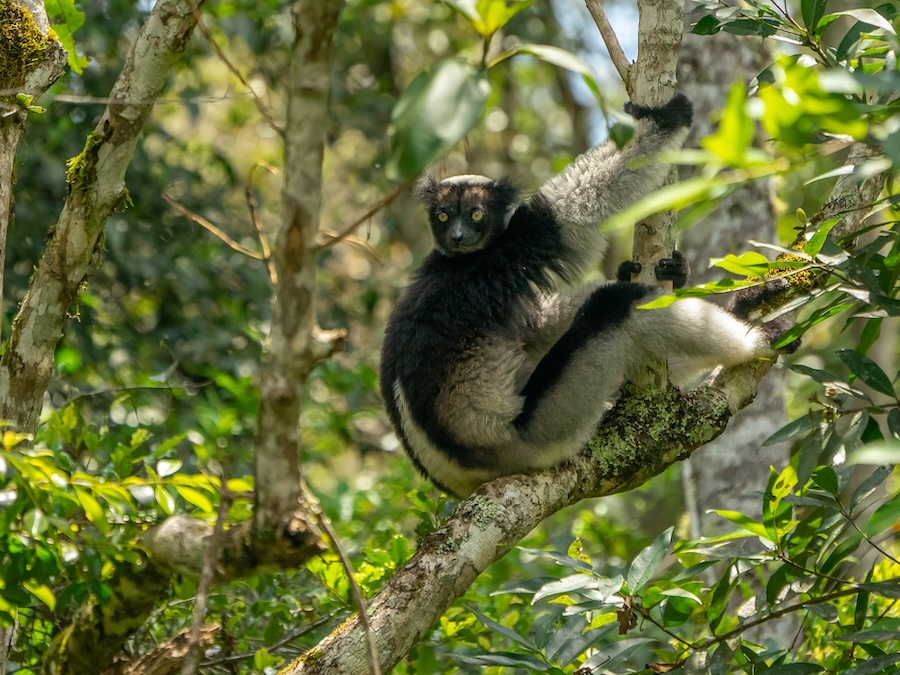
Andasibe National Park is one of the most accessible places to see wildlife in Madagascar, mainly because it is one of the closest major national parks to Antananarivo. The wider protected area is known as Andasibe Mantadia National Park and is covered in dense rainforest filled with wildlife.
The park is best known for its indri lemurs, the largest lemur species in Madagascar. We could hear their strange calls echoing through the rainforest long before we actually spotted them in the trees.
Many visits also include nearby Lemur Island, where habituated rescue lemurs roam freely and often come surprisingly close to visitors.
Compared to some of Madagascar’s more remote parks, Andasibe is relatively straightforward to include on most itineraries.
Explore Madagascar’s beaches & islands
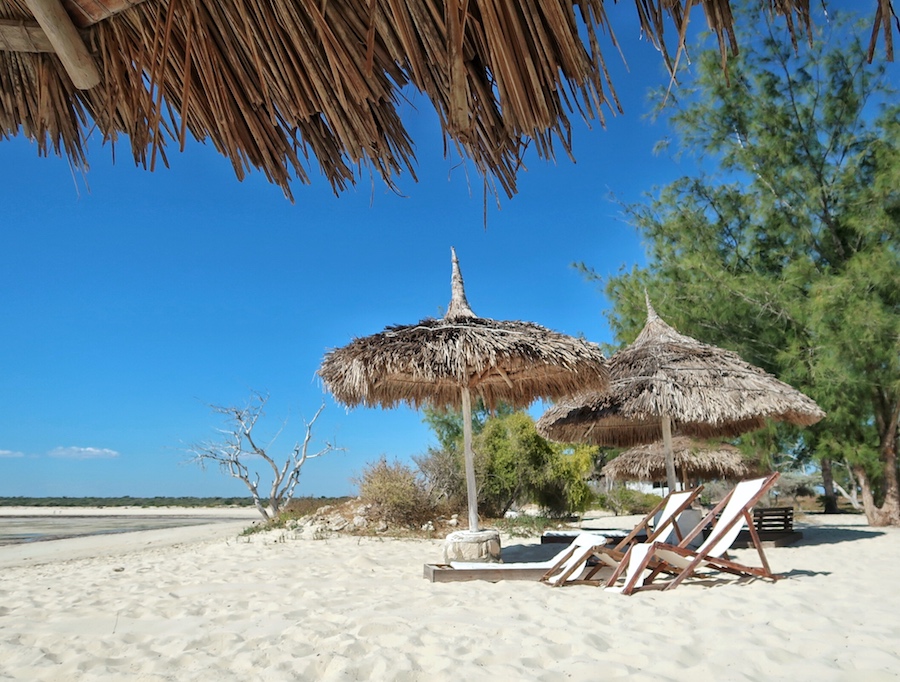
Madagascar is not just rainforests and national parks. The country also has thousands of kilometres of coastline, along with small islands, fishing villages and beaches that still feel undeveloped compared to other Indian Ocean destinations.
Nosy Be is the best-known island and is usually the easiest place to add a beach stay to your itinerary, although it also feels more touristy than much of mainland Madagascar.
Along the west coast, places like Andavadoaka and Salary Bay felt far quieter during our trip. Some beaches were almost empty apart from local fishing boats and a few children playing along the shoreline.
After long days on rough roads, spending a few days on the coast ended up being one of the best parts of travelling around Madagascar.
Visit Isalo National Park
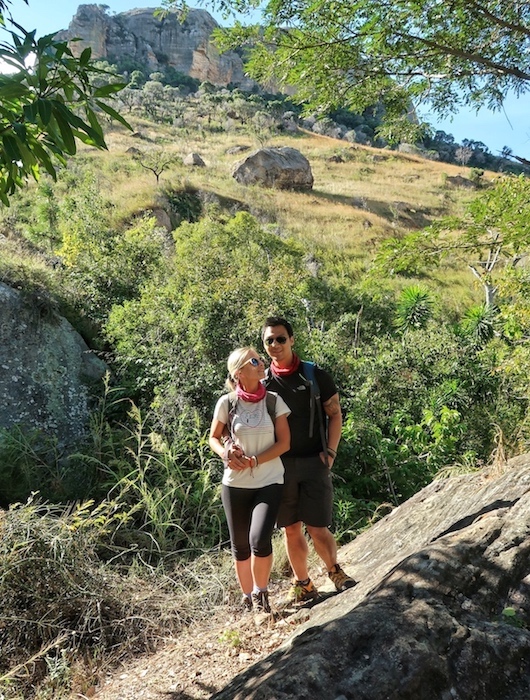
Isalo National Park looks completely different from the rainforests and coastal areas that many people associate with Madagascar.
While parks like Ranomafana and Andasibe are known for dense rainforest and wildlife, Isalo feels far drier and more open. Dry grasslands, sandstone cliffs and deep canyons make parts of the park feel more like the American Southwest than East Africa.
Most visits involve hiking through rocky landscapes, natural pools and narrow valleys, often with lemurs appearing unexpectedly along the trails. You will also pass famous formations, including the Queen of Isalo and the Window of Isalo, a huge sandstone arch that draws crowds around sunset.
Early mornings and late afternoons felt far more comfortable for hiking during our visit, especially once the midday heat arrived.
Explore Antananarivo
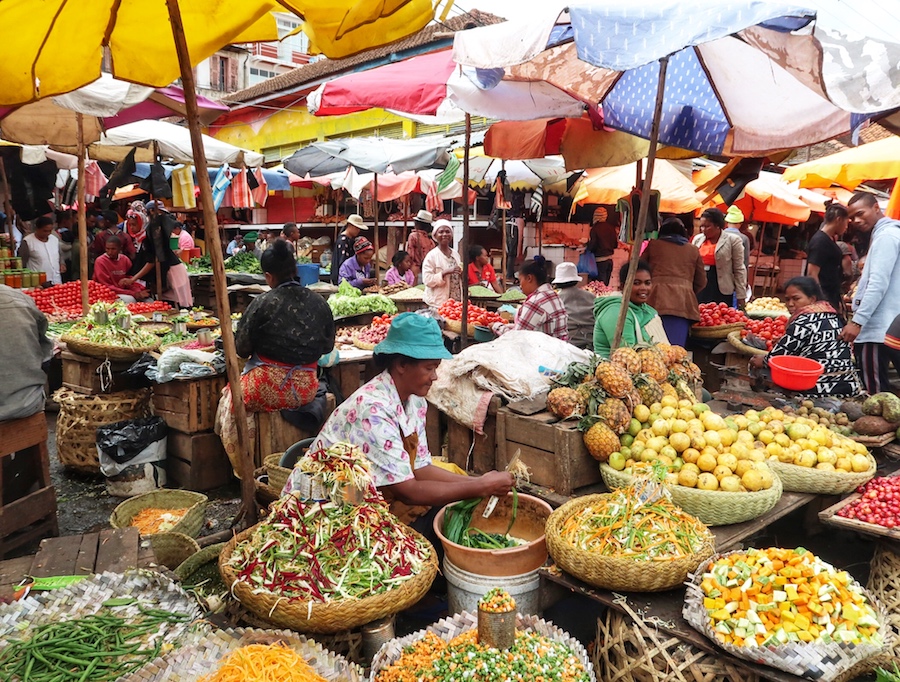
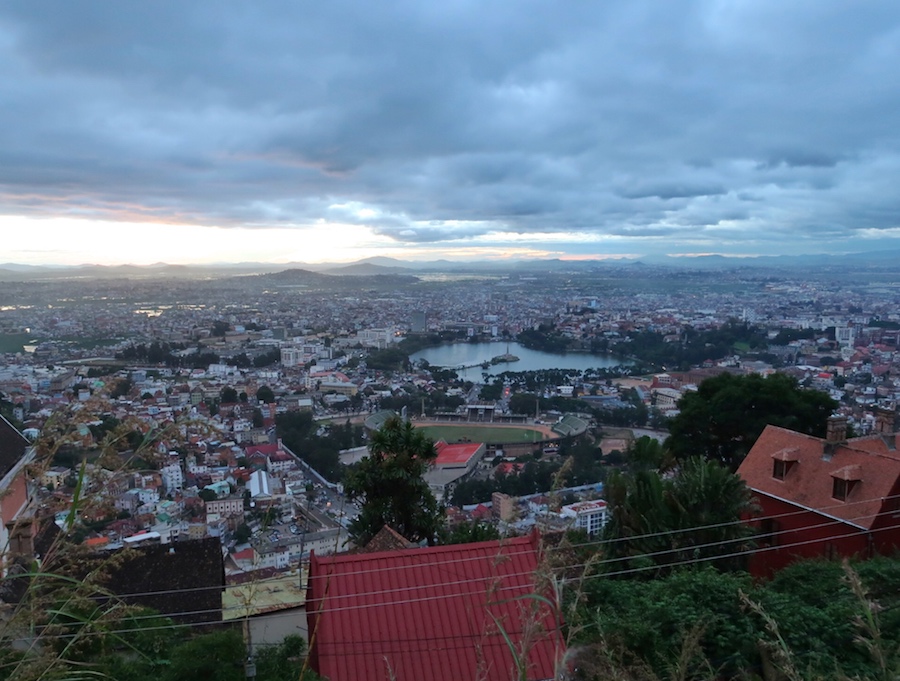
Most trips to Madagascar begin in Antananarivo, usually shortened to Tana, and it is probably not the highlight of most itineraries. The traffic is chaotic, the streets can feel rough around the edges and many travellers leave as quickly as possible.
Still, spending a day or two here gives a better introduction to daily life in Madagascar than staying inside national parks and beach resorts the entire time. We actually enjoyed exploring the busy Analakely Market and visiting the Royal Hill of Ambohimanga, a former royal settlement just outside the city.
Tana is also one of the easiest places to organise transport, guides and internal travel before heading further into Madagascar.
What Is Travelling Madagascar Really Like?
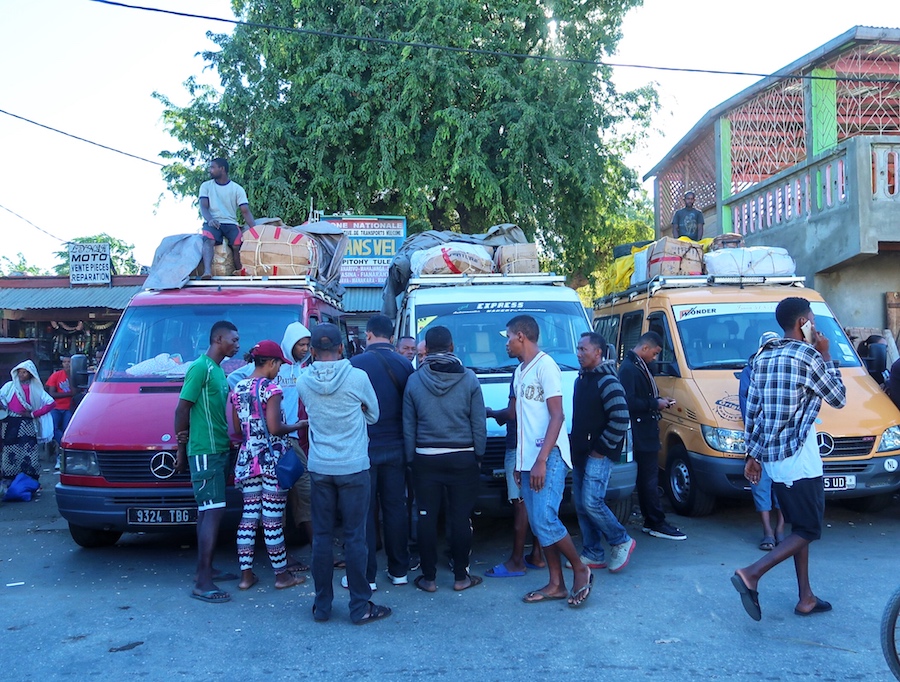
Travelling around Madagascar feels far slower and more unpredictable than many people expect. Distances that look manageable on a map can easily turn into full days on the road once the paved roads disappear.
Some journeys involve rough dirt tracks, river crossings and long stretches without much around apart from small villages, zebu carts and roadside stalls. Parts of the West Coast felt far more remote than we expected before arriving.
The river ferries were one of the more memorable parts of travelling around Madagascar. Watching vehicles slowly balance onto floating platforms made from wooden planks and small boats somehow felt both chaotic and completely normal at the same time. Most crossings were fairly quick, although we did end up stuck for several hours after one ferry broke down.
We travelled around Madagascar in a mix of ways, including taxi brousse journeys, local drivers and 4×4 transfers along the west coast. The Cotisse taxi brousse was far more organised than we expected after seeing some of the local minibuses on the road.
We took the Cotisse taxi brousse from Antananarivo to Morondava and later back to Tana from Ranomafana, while organising some of the rougher west coast routes through a driver connected to our hotel in Morondava.
Despite the difficult roads, travelling around Madagascar rarely felt boring. The scenery changes constantly, and even long drives usually come with something unexpected along the way.
Is Madagascar Difficult To Travel?
Madagascar can be a difficult country to travel around, especially if you are used to destinations with reliable infrastructure and quick journey times.
Road conditions outside the main routes are often poor, and travelling between places takes much longer than expected. Even short distances can involve rough roads, delays or last-minute changes.
Most of the challenges came from logistics and infrastructure rather than safety or dealing with locals. People were generally friendly, helpful and surprisingly relaxed considering how chaotic parts of the country could feel at times.
Patience helps a lot here. Travellers expecting everything to run smoothly will end up frustrated quite quickly, especially when moving around the country overland.
That said, not every trip to Madagascar has to involve difficult overland travel. Places like Nosy Be have far more comfortable resorts and an easier pace for travellers looking for beaches and luxury stays rather than long road trips across the country.
Is Madagascar Expensive?
Madagascar is not a cheap destination once you factor in the flights and the cost of getting around the country. Travelling between major attractions often involves long overland journeys, private drivers or domestic flights, especially if you want to visit more remote places like Tsingy de Bemaraha.
At the same time, Madagascar can feel surprisingly affordable once you are there. Local restaurants, guesthouses and taxi brousse journeys were often much cheaper than we expected outside the more touristy beach areas.
Your overall budget really depends on how you choose to travel. Travelling independently using taxi brousse and basic accommodation is possible with patience, while private drivers, 4×4 routes and beach resorts increase costs fairly quickly.
For us, Madagascar felt more expensive logistically than day to day. Most of our budget went on transport rather than food or accommodation.
Is Madagascar Safe?
We generally felt safe travelling around Madagascar, including during long overland journeys and in smaller towns along the west coast. Most interactions we had with locals were friendly and relaxed, even in places where tourists were clearly uncommon.
The bigger challenge in Madagascar usually comes from the infrastructure rather than crime itself. Roads can be in poor condition, journeys often take much longer than expected and travelling after dark is generally avoided outside the main cities.
Part of that is due to the small risk of banditry on some remote roads, but poor lighting, potholes, animals and people walking along the roadside also make driving at night far less safe in general.
Antananarivo felt noticeably rougher around the edges than other parts of the country, and we were more cautious there, particularly at night and around crowded areas.
Allowing extra time between destinations is sensible, especially on longer overland routes.
How Many Days Do You Need In Madagascar?
Madagascar is much larger than many people expect, and travelling around the country takes time. Distances that look short on a map can easily turn into full-day journeys once you factor in the road conditions.
We spent a couple of weeks travelling across Madagascar, and that felt like enough time to experience several very different parts of the country without constantly rushing. Even then, there were still huge areas we never saw.
If you only have one week, it makes more sense to focus on one region rather than trying to cross the island. Two to three weeks gives you far more flexibility to combine national parks, beaches and some of the more remote parts of the country.
Adding extra days wherever possible also helps with the unpredictability of travelling around Madagascar. Delays and slower travel days are fairly common, especially on longer overland routes.
Who Should Visit Madagascar?
Madagascar is best suited to travellers who are comfortable with slower journeys and a certain level of unpredictability. It suits people who enjoy wildlife, unusual landscapes and places where travel still requires a bit of flexibility.
People visiting mainly for wildlife and landscapes will get the most out of Madagascar. Seeing lemurs in the wild, driving through huge baobab forests and visiting places like Tsingy de Bemaraha felt completely different from anywhere else we have travelled.
At the same time, Madagascar is not the easiest choice for travellers expecting smooth infrastructure, luxury transport or fast-paced itineraries. Even short journeys can take much longer than expected.
That does not mean every trip has to involve rough overland travel, though. Beach destinations like Nosy Be offer a far more comfortable and relaxed side of Madagascar, particularly for travellers looking to combine wildlife with a few quieter days by the coast.
FAQs: Visiting Madagascar
There are a few things about travelling in Madagascar that are easy to underestimate before you arrive, especially around transport, costs and how long it takes to get around the country.
Here are some of the most common questions people ask before planning a trip to Madagascar.
Is Madagascar friendly to tourists?
We found people in Madagascar friendly and welcoming throughout most of our trip, including outside the larger cities, where tourists are still uncommon.
How many days do you need in Madagascar?
Two to three weeks gives enough time to experience several different parts of Madagascar without spending your entire trip in transit.
Is Madagascar cheap or expensive?
Madagascar is expensive to reach and travelling around the country can add up quickly, but food, local hotels and taxi brousse journeys were often cheaper than we expected.
What is the best month to visit Madagascar?
The dry season between May and October is generally considered the best time to visit Madagascar, particularly for road travel and visiting national parks.
Wrapping Up: Is Madagascar Worth Visiting?
Madagascar is worth visiting, but it is not the right destination for every traveller.
The roads are rough, journeys take far longer than expected, and even simple plans sometimes need adjusting. It is not the place to come for a polished, easy holiday.
But the reward is huge. Lemurs in the rainforest, baobab trees at sunrise, limestone peaks at Tsingy de Bemaraha and remote beaches along the west coast all still stand out years later.
If you are comfortable with slower travel and a few rough edges, Madagascar is one of the most distinctive places we have visited.