
Brisbane in Winter: Things to Do and Is It Worth It?

Looking for the best things to do in Brisbane in winter and wondering whether it is worth visiting?
Winter in Brisbane is mild, dry, and far easier to enjoy than many people expect. Daytime temperatures are comfortable, rainfall is low, and the city feels calmer than during the humid summer months. It is one of the easiest times of year to explore Brisbane without planning around heat or storms.
I have visited Brisbane more than once and experienced the city across different trips. However, for a guide focused specifically on winter, a local perspective matters more.
This article is written by Brisbane resident Chris from Aquarius Traveller, who has lived in the city for over 20 years and brings a local perspective on what suits Brisbane in winter, rather than what simply looks good on paper.
Is Winter A Good Time To Visit Brisbane?
Winter is an excellent time to visit Brisbane. South East Queensland’s winter season brings warm, sunny days and very little rain.
With average daytime temperatures around 21°C, it is a comfortable time to explore outdoor areas, from walking trails and viewing spots to wandering through the city’s highlights.
Brisbane’s winter runs from June to August, and many visitors find this time of year far more tolerable than summer. Cooler days make it easier to get around without the intense heat and humidity that can dominate the warmer months.
Things to Do In Brisbane in Winter
If you are planning a trip to Brisbane in winter, the options below give a good sense of what suits the city at this time of year. From central attractions to outdoor spaces and easy day trips, winter makes it easier to get around and see more without battling the heat.
City Attractions and Experiences
These are easy city-based sights that work well as standalone stops or when you have limited time in Brisbane.
Mount Coot-tha
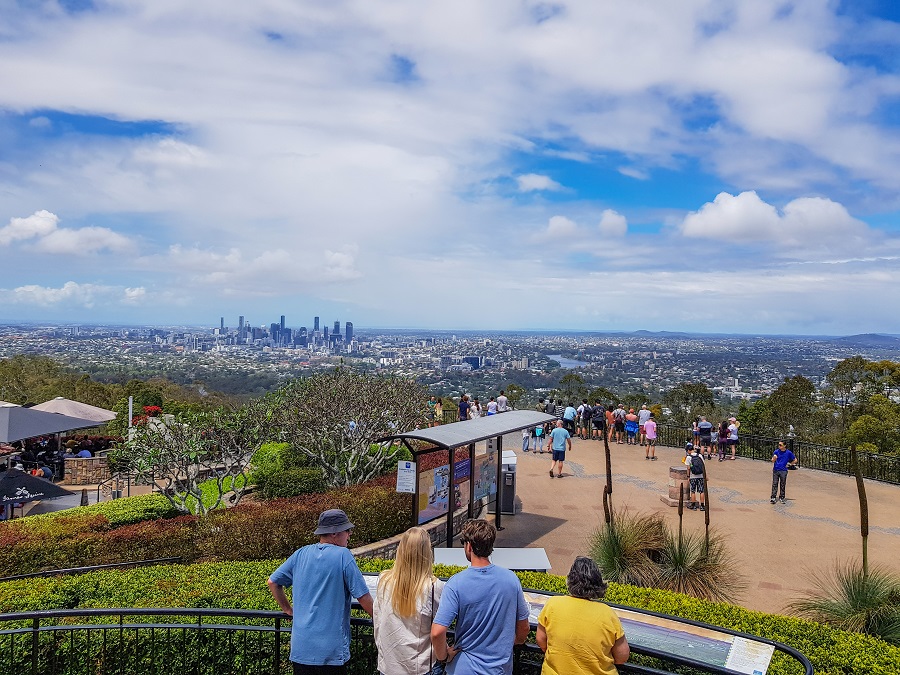
If you could only do one thing in Brisbane, visiting the lookout at Mount Coot-tha would have to be it. From here, you get sweeping views across the city’s high-rise buildings, and on a clear day, you can see out to the ocean, the Sunshine Coast, and the Gold Coast. Best of all, the lookout is open 24 hours a day.
The views are impressive at any time, but sunrise and sunset are especially popular. It is a great spot to get a sense of the scale of the city and how it all fits together. At the lookout itself, you will also find a small souvenir shop, a café serving light meals, and a restaurant.
If you want to take things a step further, there are more than 20 hiking trails around the mountain. One of the most popular is the 4-kilometre return JC Slaughter Falls summit track, which runs from the base of the mountain up to the lookout.
Wheel of Brisbane
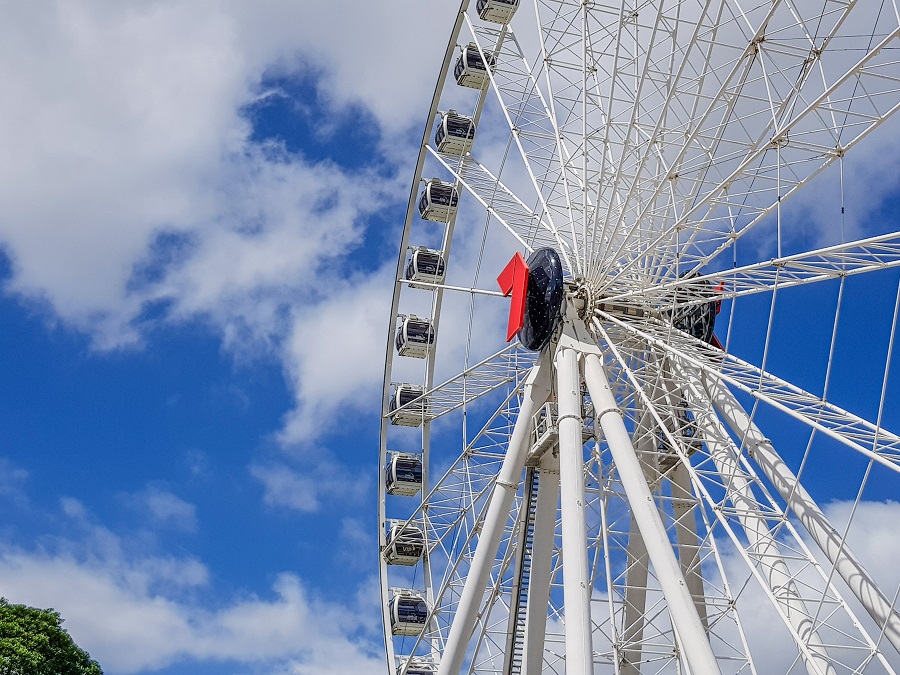
Rain, hail, or shine, Brisbane’s iconic Ferris wheel is one of South Bank’s best-known attractions. Located directly across the river from the CBD, it is easy to reach on foot or by ferry. The 60 metre structure was built in 2008 to mark the 20th anniversary of World Expo and offers 360 degree views across the city skyline.
It is a great spot to take in Brisbane from above, particularly in the evening. For those wanting something a little more special, there are also VIP experiences available, including private capsules with a host and drinks. It is a popular option for date nights or special occasions.
The wheel operates daily from 10am to 10pm, and tickets can be purchased on arrival. There are usually small savings available if you book online in advance, but it is not essential.
Story Bridge Adventure Climb
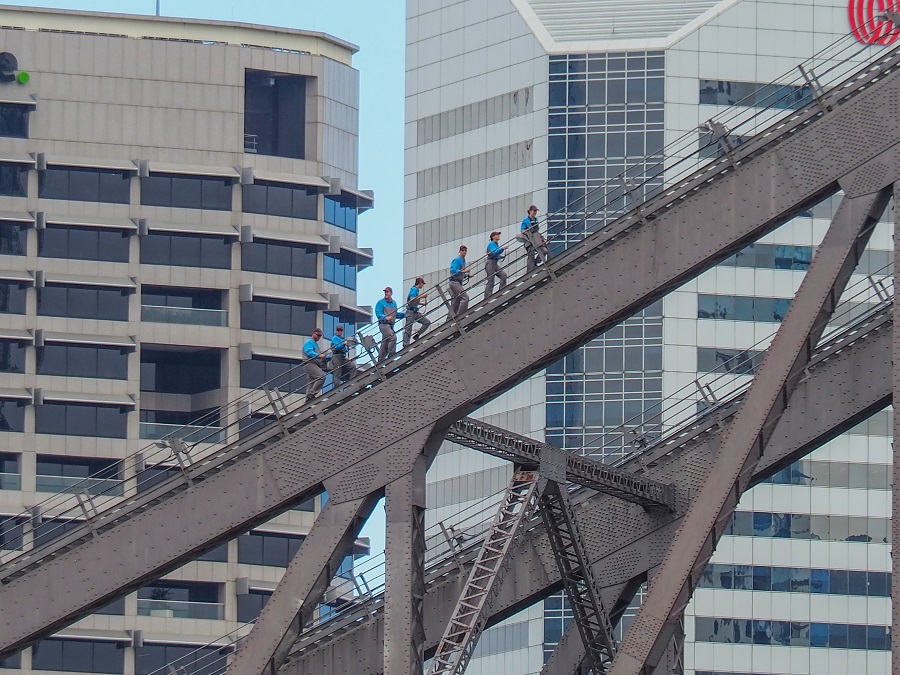
If the Wheel does not quite feel high enough, the Story Bridge Climb offers a more adventurous alternative. Being clipped into a safety system and walking to the top of a heritage-listed cantilever bridge is a very different way to experience Brisbane, and winter conditions make it far more comfortable than during the hotter months.
The Story Bridge is one of the city’s most recognisable landmarks and an impressive engineering feat. It also happens to be one of the best lookout points near the CBD, with views stretching along the Brisbane River and across both sides of the city. Each day, it carries tens of thousands of vehicles between the northern and southern suburbs, making it as practical as it is iconic.
Beyond its daily role, the bridge is also a focal point for major events, most notably the annual Riverfire celebrations. At night, especially during special occasions, it becomes part of the city’s skyline rather than just something you cross. For travellers looking for a more active experience in Brisbane, the Story Bridge Climb is a memorable option.
cityCat ferry
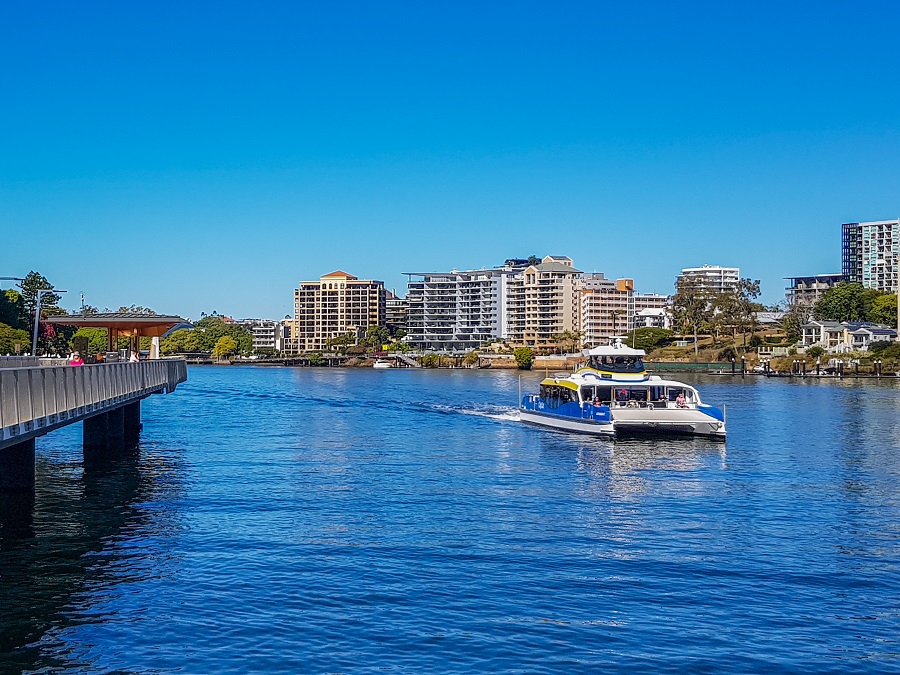
One of the easiest ways to see Brisbane in winter is from the river, travelling by CityCat ferry. This is part of the city’s public transport network and runs between Northshore Hamilton and the University of Queensland at St Lucia.
You can hop on and off along the route, with fares based on travel zones or how often you use the service. The local Go Card is used to tap on and off and works like a prepaid card across Brisbane’s public transport.
During the day, the journey passes under the Story Bridge and offers a good look at the city from the water. In the evening, the skyline lights up, and the river feels calmer, making it a relaxed way to move around Brisbane while still sightseeing.
Clock Tower
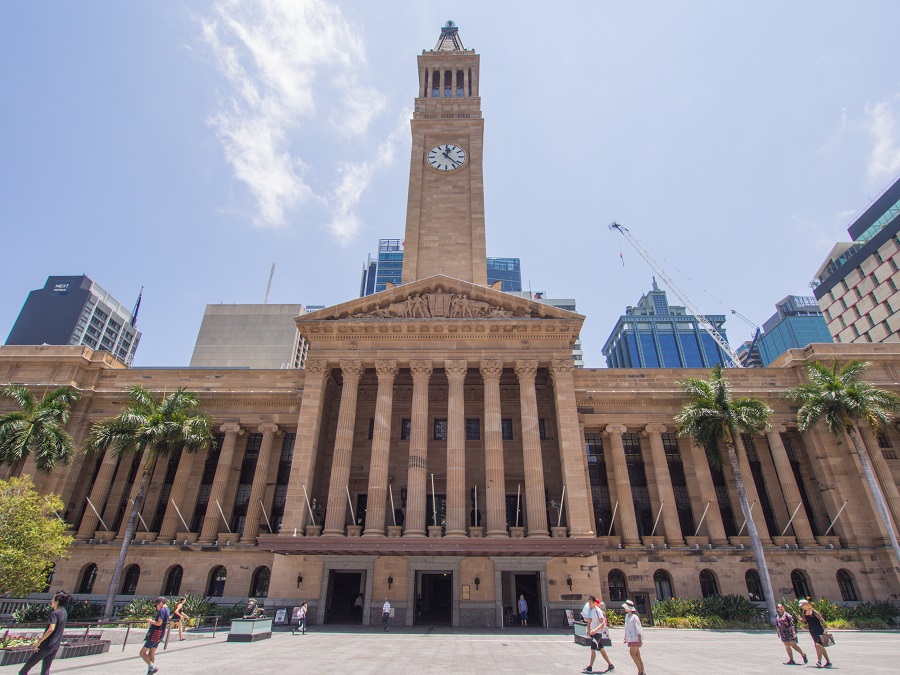
Brisbane City Hall sits beside King George Square in the CBD and offers a glimpse into the city’s history. Inside, sweeping marble staircases, vaulted ceilings, and mosaic tiled floors make it an impressive setting, whether you are visiting independently or joining a guided tour.
The 15-minute Clock Tower tours are free, although you do need to book online in advance due to limited numbers. Reaching the top feels like stepping back in time, with a beautifully preserved hand-operated lift carrying visitors upwards to a bird’s eye view across the city.
As you rise slowly, the city opens up below, revealing details you would otherwise miss from street level. It is a simple experience, but one that adds a different perspective on Brisbane and its architecture.
Cultural Precinct
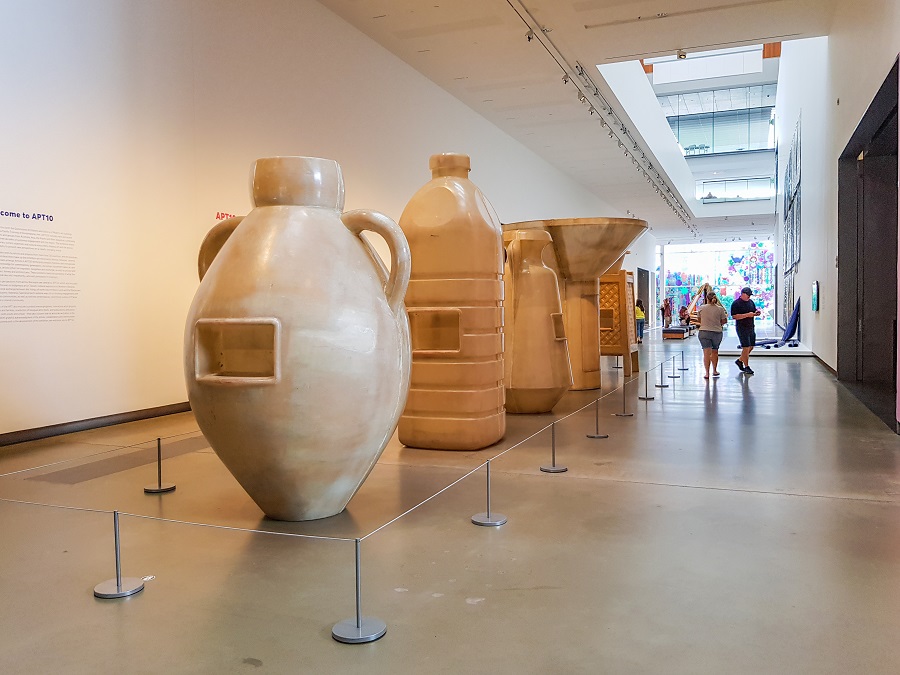
The Cultural Precinct is located in South Brisbane and is a highlight for visitors interested in museums, galleries, and creative spaces. The area is home to a mix of cultural institutions and libraries, making it easy to spend a few hours moving between exhibitions and collections.
Much of the precinct is free to visit, which makes it especially appealing. Each time I have visited, there has been something new to see, with rotating exhibitions and emerging artists regularly featured across the precinct.
Peace Pagoda
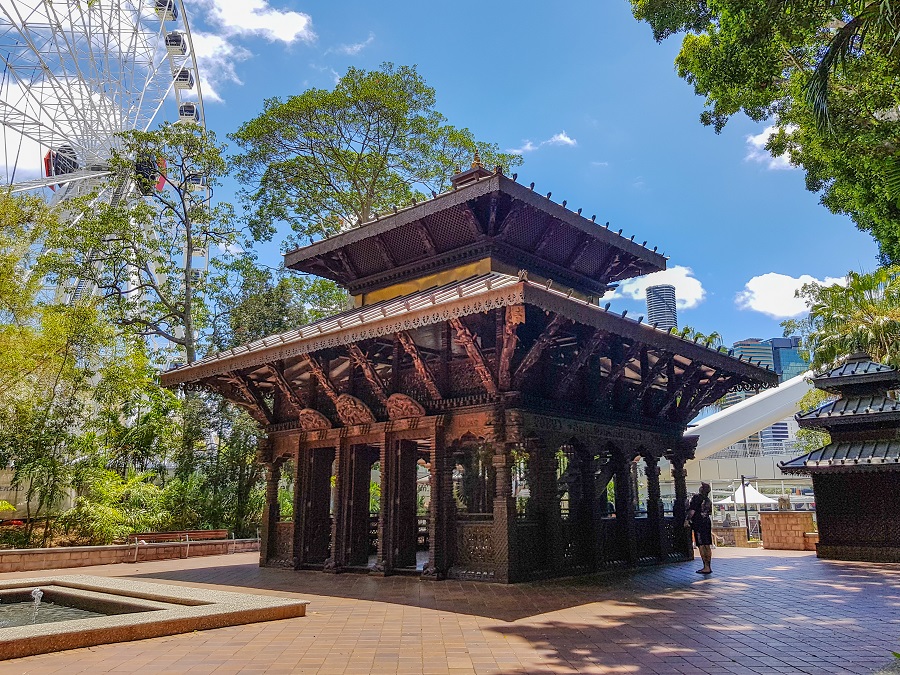
If you were lucky enough to be in Brisbane for World Expo 88, you may remember the Nepalese Peace Pagoda. It is the only remaining structure from the event and now sits beside the Wheel of Brisbane in South Bank.
The pagoda’s design is intricate and detailed, and it is worth taking a few moments to appreciate the craftsmanship that went into its construction. Visitors can wander around the lower level and get a closer look at the fine details that make this Nepalese contribution such a distinctive part of the riverside area.
the Brisbane Sign
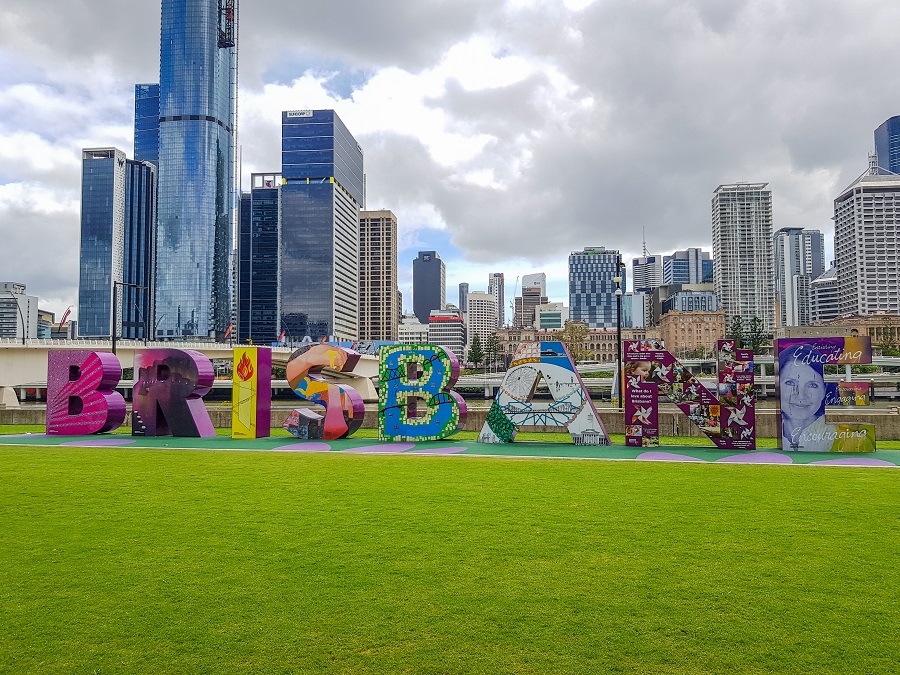
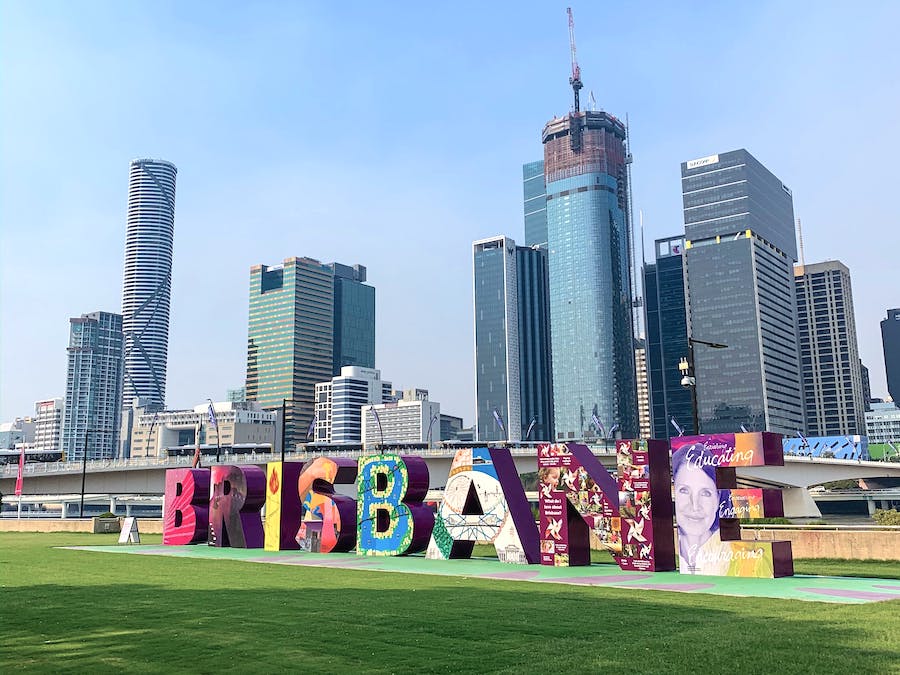
A visit to Brisbane often includes a stop at the Brisbane Sign, especially for a quick photo or family selfie. Located at South Bank, directly across from the city, the large letter installation spelling out “Brisbane” has become a popular backdrop and can be climbed on for photos.
The original sign was created as a temporary installation for the 2014 G20 summit. Its popularity quickly made it a fixture of the area, and it was later rebuilt using sturdier materials to become a permanent part of South Bank.
Outdoor Walks and Viewpoints
Brisbane’s winter weather suits outdoor walks and lookout points, especially in and around the city.
Kangaroo Point Cliffs
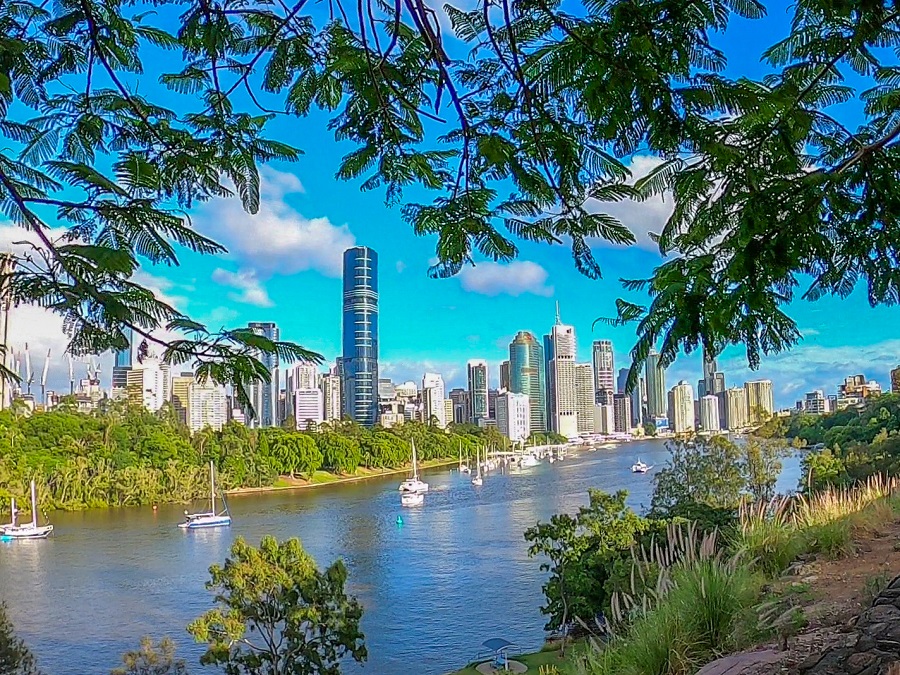
Kangaroo Point Cliffs are a popular spot for both locals and visitors, thanks to their location close to the CBD and South Bank. From the top, there are clear views across the river towards the city skyline, making it a favourite place to meet, walk, or simply stop for a look.
The cliffs were originally formed through quarrying, with stone taken from the site for early construction projects around Brisbane. Today, the area has taken on a more adventurous role, with abseiling down the rock faces and kayaking tours running regularly along the river below.
There is a café at the top of the cliffs, along with grassy areas at the base that work well for relaxed gatherings. Walking paths also connect the area with the city and South Brisbane, making it easy to include as part of a longer walk.
River Farm Walk
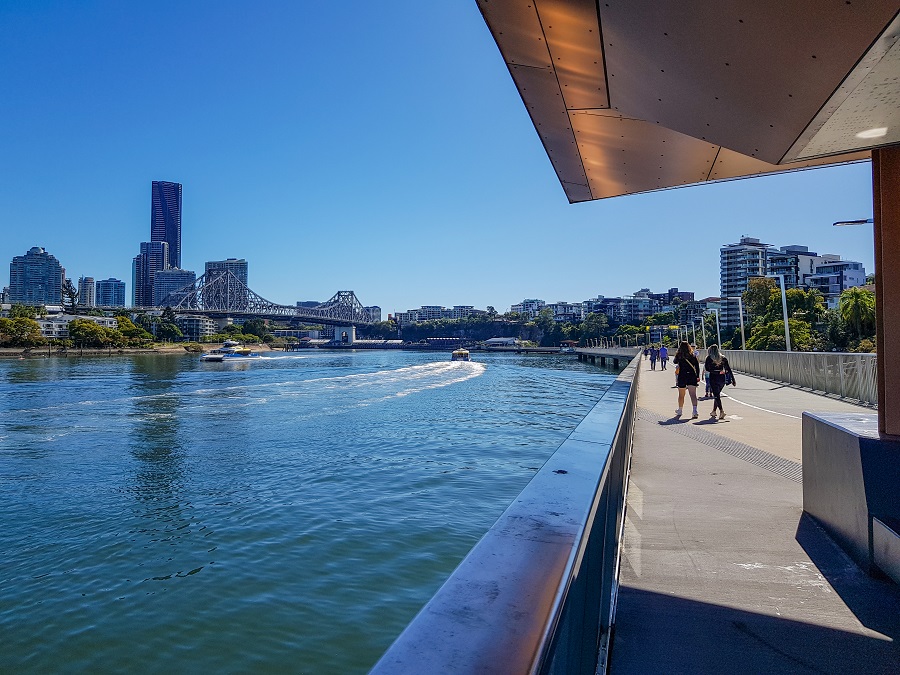
The River Farm Walk is a boardwalk built over the Brisbane River near New Farm, linking walking and cycling paths into the city. The track was washed away during the 2011 floods but was later rebuilt due to its popularity.
It is an easy route for a relaxed stroll, run, bike ride, or even rollerblading into the city. The path is separated from most traffic, making it a pleasant way to enjoy views of Brisbane’s high rise buildings from the river.
Heading in the opposite direction takes you into New Farm Park, where there are plenty of grassy areas and gardens for a picnic. Towards the end of winter, the purple jacarandas often begin to bloom, which is a particularly nice time to be here.
King Island
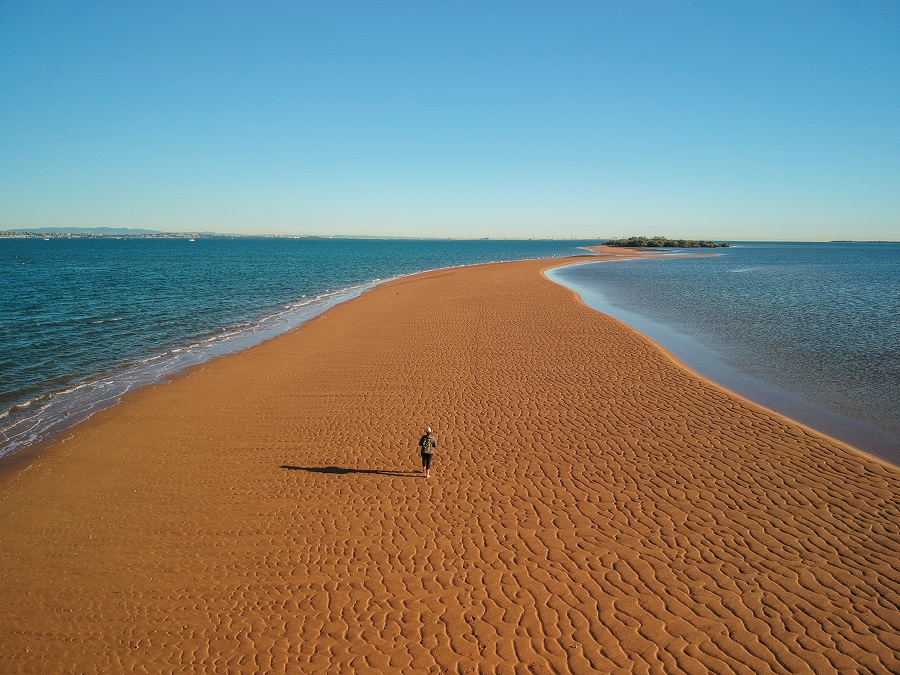
Have you ever walked to an island? From Wellington Point, you can take a short one-kilometre walk across to King Island, but only at low tide.
When the tide is high, just the tops of the trees are visible. As the water recedes, a sandy path appears, making the crossing possible. The island itself is small, but it is popular with locals looking to stretch their legs, walk their dogs, or get some fresh air. Mangroves surround the shoreline, and children usually enjoy spotting the soldier crabs darting across the sand.
The walk takes around 20 minutes each way and feels surprisingly removed from the city, despite being close to Brisbane. Before setting off, it is important to check tide times to make sure the crossing is safe.
Southbank Parklands
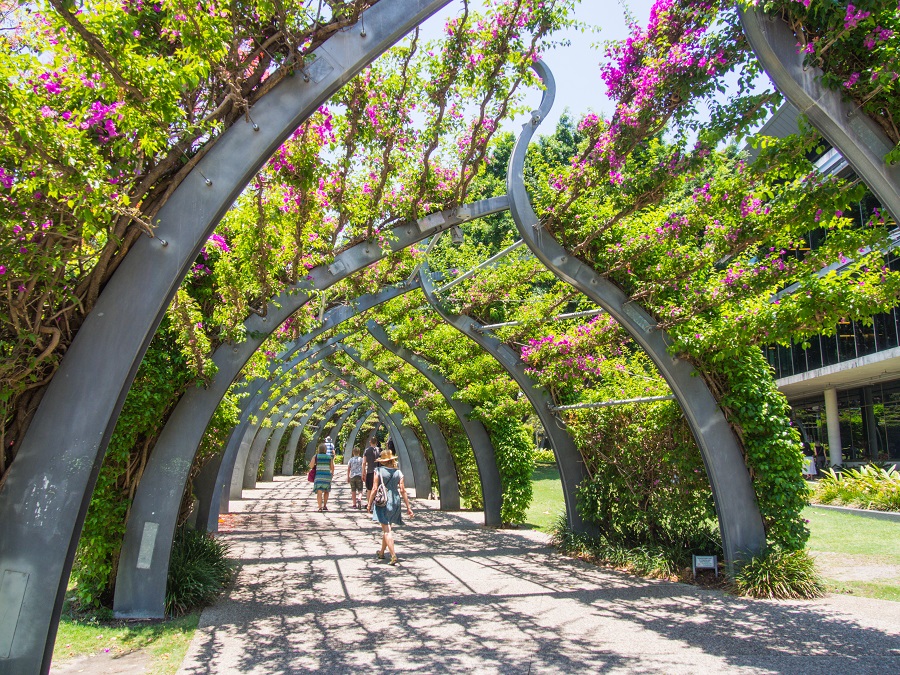
South Bank Parklands sit along the river and offer a good balance of green space and city atmosphere. Spanning around 17 hectares, the parklands include walking paths such as the Grand Arbour, along with licensed picnic areas and open spaces to relax.
The area also hosts a regular calendar of events throughout the year, so there is often something happening. When it is time to eat, Little Stanley Street runs through the heart of South Bank and is lined with cafés, bars, and restaurants, making it an easy place to stop for a meal.
Afterwards, it is worth taking a walk through the surrounding streets, especially in the evening when the area is well-lit and lively. You will also find the South Bank Cineplex nearby, which is known locally for offering affordable movie tickets
Food and Markets
Winter evenings in Brisbane are ideal for casual dining and outdoor markets.
Eat Street Markets
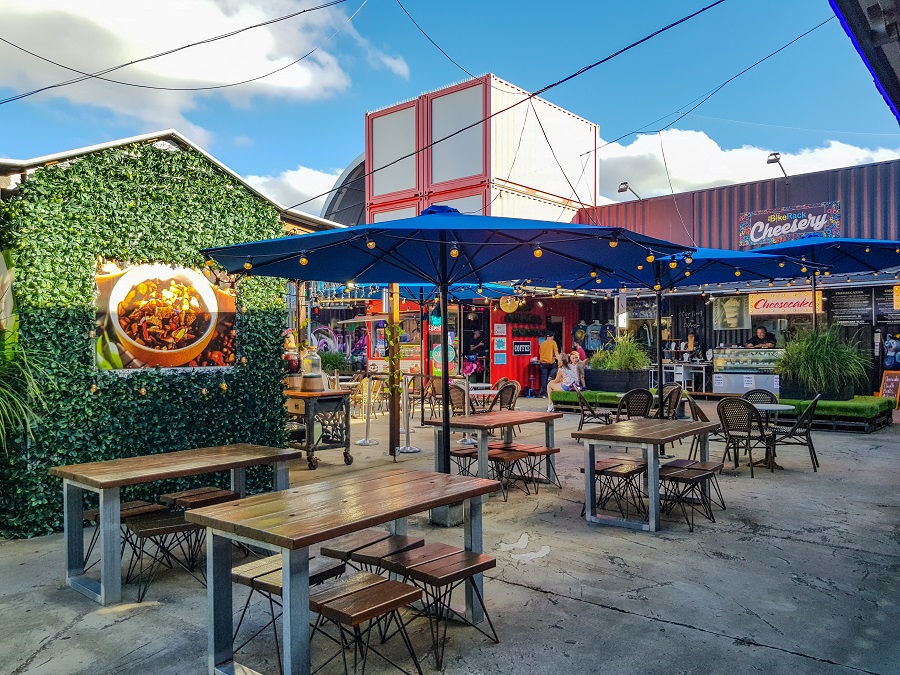
Local street markets run throughout Brisbane, but Eat Street Northshore is easily one of the busiest. Held on Friday, Saturday, and Sunday nights, the markets are known for their wide range of food stalls and live entertainment, making them a popular evening spot.
There are more than 60 vendors to choose from, offering a mix of international flavours and comfort food. From classic favourites to more adventurous options, it is easy to wander, sample different dishes, and find something that suits everyone.
Live music and performances from local buskers add to the atmosphere, creating a relaxed and social setting. It is the kind of place where you can take your time, share food, and spend a few easy hours with friends or family.
Wildlife and Tours
Guided experiences and wildlife attractions are easy to fit into a winter itinerary.
Lone Pine Koala Sanctuary
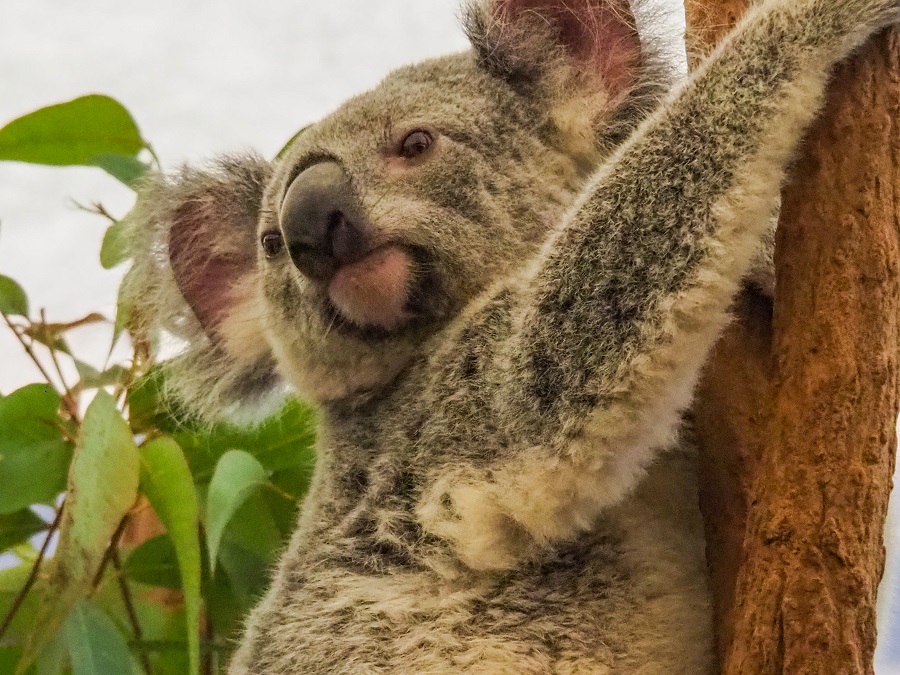
Lone Pine Koala Sanctuary is a popular stop for visitors interested in Australian wildlife and is located along Fig Tree Pocket Road, a short distance from the city. The sanctuary is home to koalas, kangaroos, wallabies, echidnas, reptiles, and a range of other native species.
Beyond simply seeing the animals, the sanctuary runs daily presentations that help visitors better understand Australia’s wildlife and ecosystems. These include koala talks, free flight bird shows, and sheep dog demonstrations, which add context to what you are seeing around the park.
Visiting Lone Pine offers a chance to learn more about Australia’s biodiversity in a relaxed setting, while still being close enough to the city to fit easily into a day out.
Segway Tour
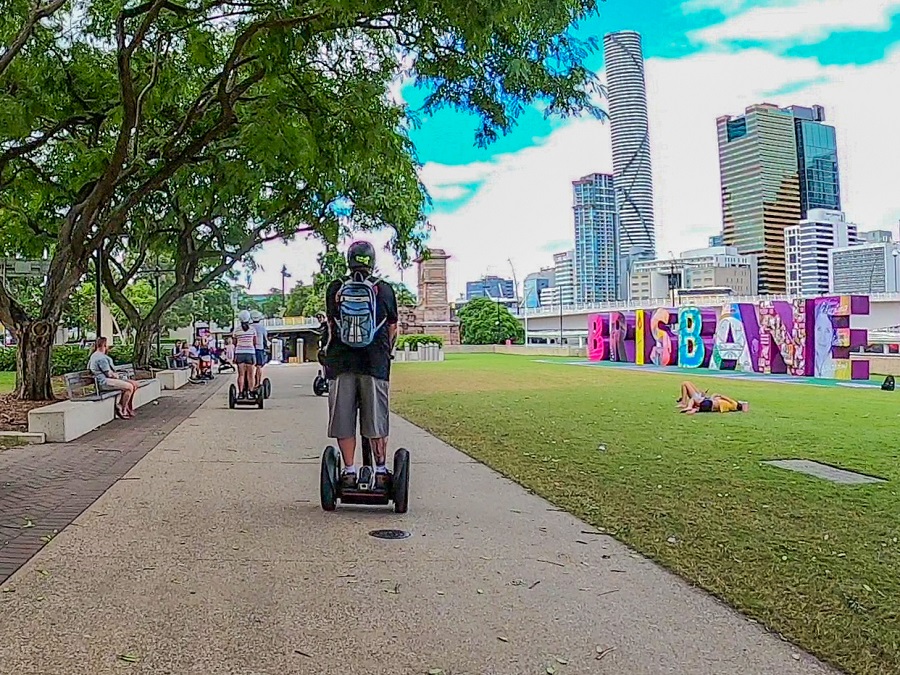
If you do not want to walk around the city, joining a Segway tour around South Brisbane and the Brisbane Botanic Gardens is a good alternative. Covering this area on foot can take a few hours, so a guided tour works well if you are short on time. Segways are easy to learn, even if you have never ridden one before.
While Segways can seem a little intimidating at first, training is provided and you are taken through all the safety guidelines before setting off. Once comfortable, you can glide along the riverside, cross the Goodwill Bridge, and explore the gardens at a relaxed pace. It is a quicker way to get around while still enjoying the scenery.
Day Trips From Brisbane
Cooler temperatures and lower humidity make winter a comfortable time for day trips beyond the city.
Moreton Island
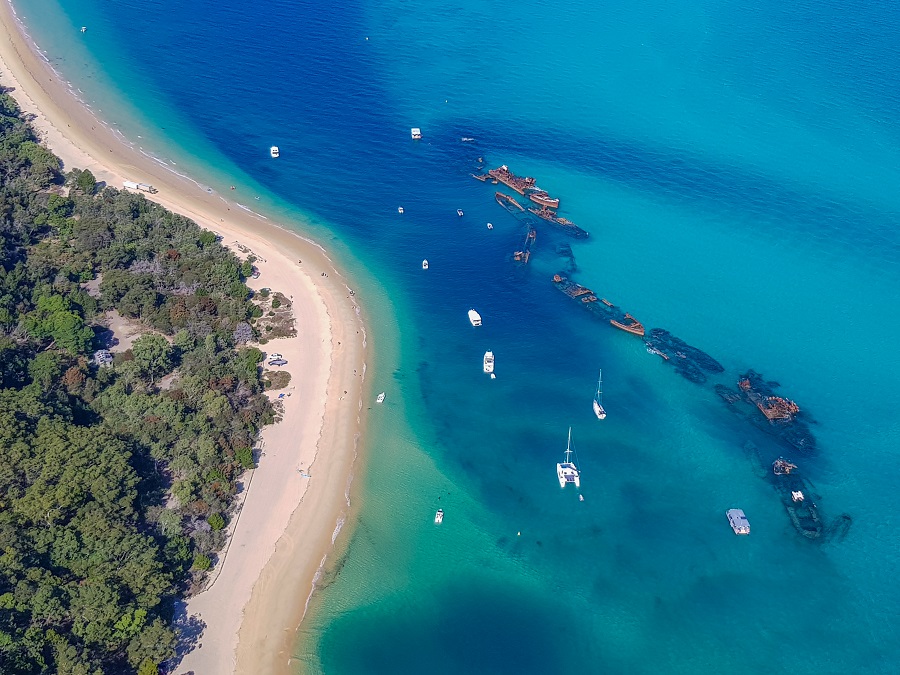
Visiting Brisbane in winter does not mean the surrounding islands are off the cards. On warmer days, plenty of people still head out for a swim, despite the water sitting around 22 degrees. Moreton Island works well year-round, with a resort base and plenty of land-based activities if you prefer to stay dry.
One of the island’s main highlights is snorkelling the Tangalooma Wrecks, with glass-bottom kayaking also available for those who want an easier option. Back at the resort, there are activities such as quad biking on the sand, Segway tours along the beach, and places to sit with a drink and take in the surroundings.
A visit is not complete without seeing the wild dolphins that come into the shore in the evenings. Feeding sessions are carefully managed and are a memorable part of the experience, whether you are visiting for the day or staying overnight.
North Stradbroke Island
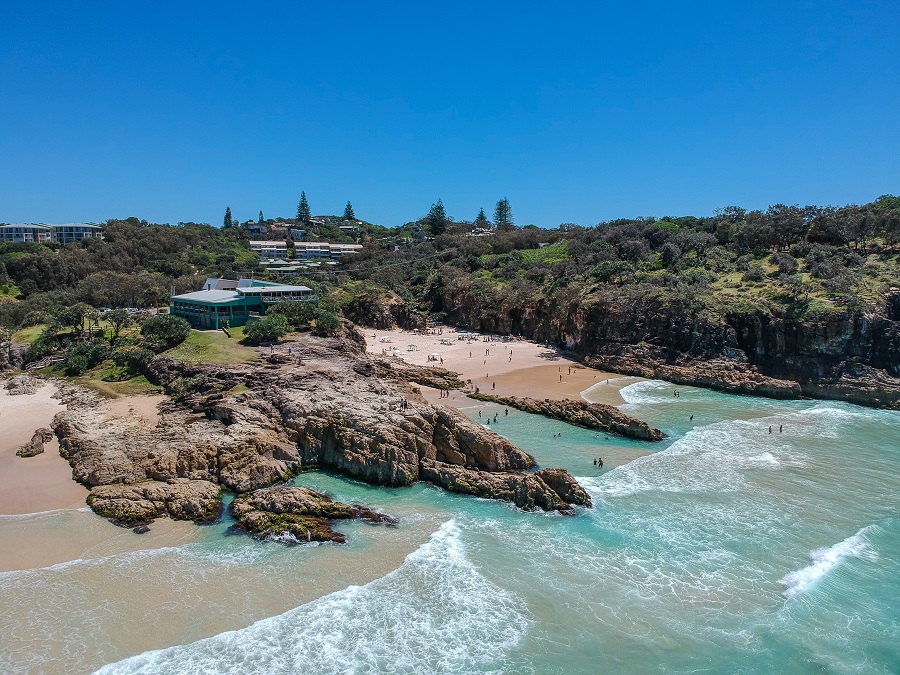
North Stradbroke Island is the second-largest sand island in the world and is located 40 minutes off the coast of Brisbane. While it’s a beach-lovers paradise, there are plenty of reasons to visit in the wintertime. This includes hiking, soaking up the sun, and browsing the Point Lookout district.
The headland contains a short walk that goes around the North and South Gorges. You can see the crashing waves through the gorge, whales in the distance, sea eagles nesting in the trees, and turtles or rays in the waters below. Not only that, but the early sunrise brings wild kangaroos to feed on the grass there, and it’s a lovely place to get really close to them.
The island is rich in Indigenous culture, and you can learn more about the Quandamooka people in the visitor information centre. Apart from that, the ample sandy areas provide plenty of four-wheel-driving opportunities and fishing from the shores.
Whale Watching
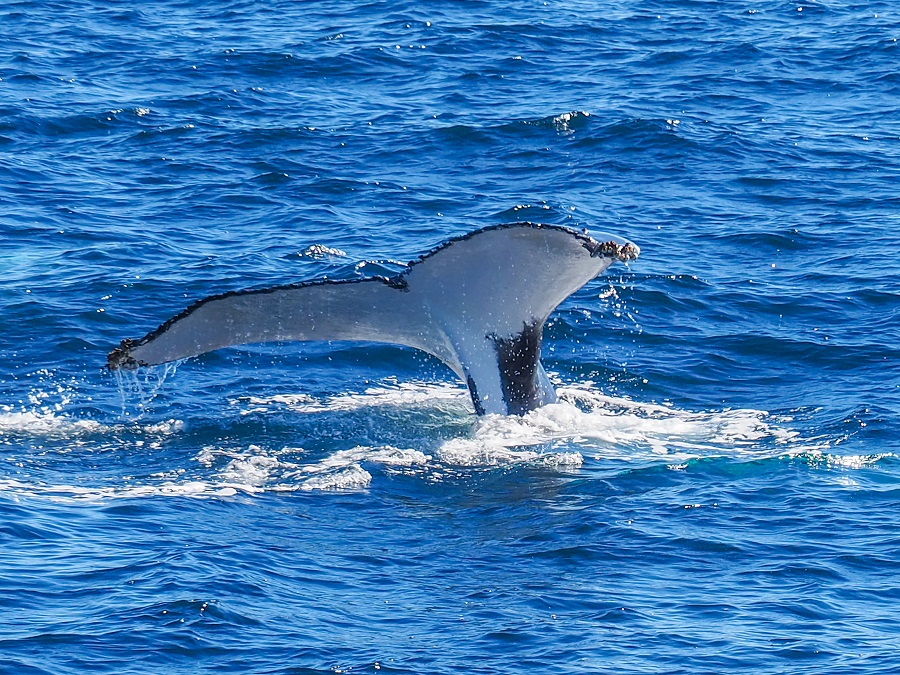
Winter is one of the best times of year to go whale watching from Brisbane. Several operators run tours along the coast between the Gold Coast and the Sunshine Coast, with one of the more popular departure points being Redcliffe Pier.
These cruises give visitors the chance to see humpback whales as they migrate through the area, while learning more about their behaviour and journey along the coast. It makes for an engaging day out and is one of the seasonal experiences that stands out during winter in Brisbane.
Wine Tours
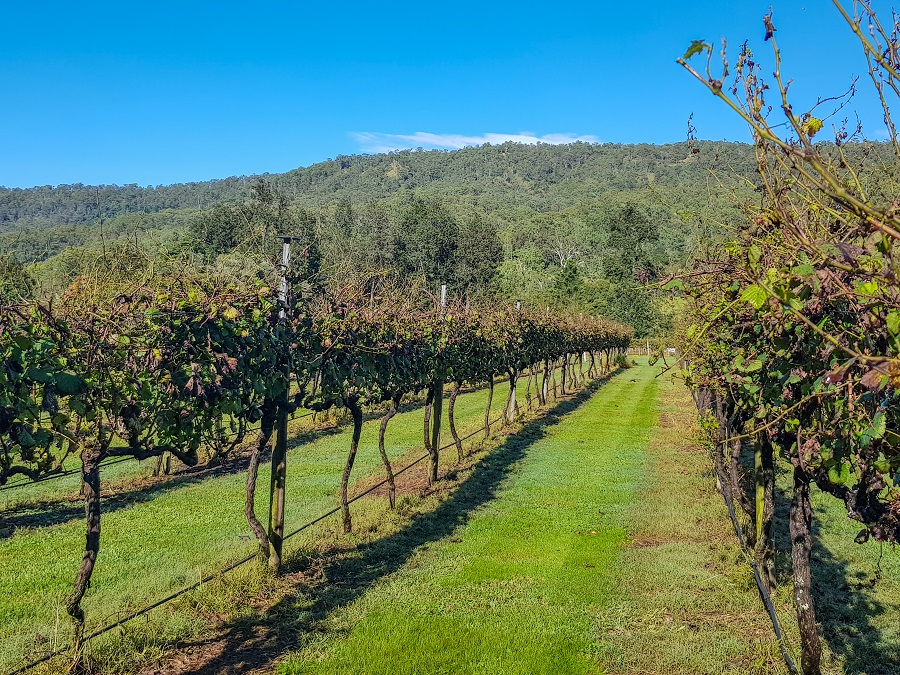
Winery tours are a relaxed way to spend a day outside the city, combining countryside views with local food and wine. Tours usually depart from the Brisbane CBD and head towards the hinterland regions of the Sunshine Coast or the Gold Coast.
Both areas are home to a good range of wineries, with half-day and full-day tour options available depending on how much time you have. Along the way, visits typically include vineyard stops, tastings, and opportunities to learn a little about the wine-making process, often paired with local cheese or produce.
While it is possible to drive yourself to cellar doors, organised tours take care of transport and remove the need for a designated driver. They also make it easier to navigate the region and enjoy the day at a slower pace, without worrying about logistics.
FAQs: Visiting Brisbane In Winter
To make sure that everything is fully covered, here are the answers to some FAQs about visiting Brisbane in the winter months.
What Is The Coldest Month In Brisbane?
July is typically the coldest month in Brisbane. Average daytime temperatures sit around 21°C, with overnight lows usually between 10°C and 11°C.
Can You Swim In Brisbane In Winter?
Yes, swimming is still possible in Brisbane during winter, though the water is cooler. Sea temperatures average around 22°C, so most people tend to swim for shorter periods.
What Do You Wear In Brisbane In Winter?
Winter days in Brisbane are often warm enough for shorts and a T-shirt, especially in the sun. Evenings and early mornings are cooler, so a light jacket, long pants, and enclosed shoes are useful.
Is Brisbane Warmer Than Sydney?
Brisbane is generally warmer than Sydney in winter due to its more northern location. Daytime temperatures in Brisbane average around 21°C, compared to Sydney’s winter highs, which are typically lower.
Wrapping Up – Brisbane in Winter
As this list shows, Brisbane in winter is still a great time to visit, whether you are travelling in from elsewhere or exploring as a local. From nearby islands to city attractions and outdoor spaces, there is plenty to do without feeling rushed or weather-limited.
And if you feel like slowing things down, winter evenings suit long meals, local bars, and catching up over drinks just as well. It is an easy time of year to enjoy Brisbane at a relaxed pace and plan a trip that balances sightseeing with downtime.