
Are Hostels Safe? What to Know Before You Book
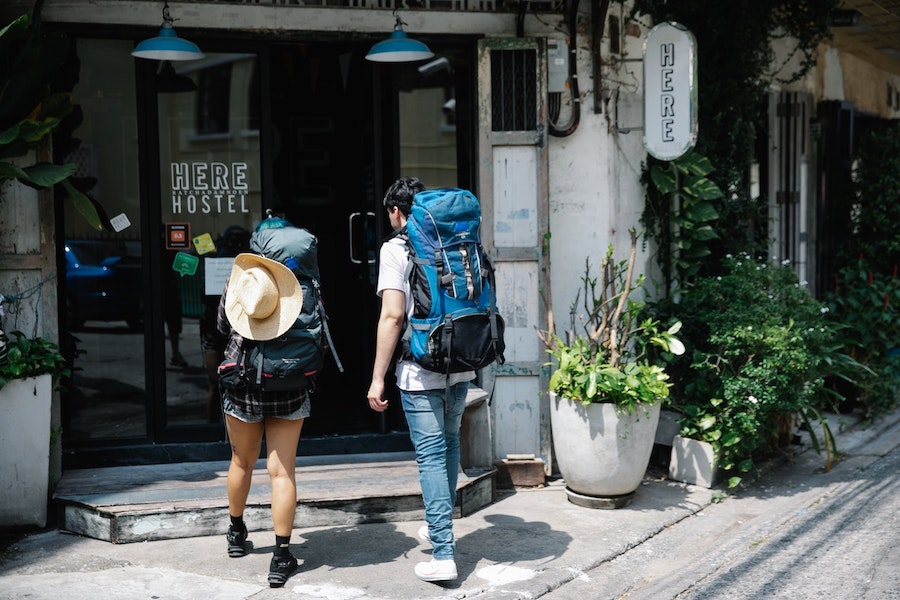

Are hostels safe? Here’s what to expect, and how to avoid booking a bad one.
Most of the time, yes. Hostels are generally safe if you pick the right ones and don’t get careless. I’ve stayed in dorms across Europe, Asia, Africa, and South America, and I’ve never had any serious issues.
That said, not every hostel is a good choice. With a constant turnover of people, problems usually come down to the same things: poor security, bad locations, or places that are more chaotic than they look online. Nothing major in most cases, but enough to ruin a stay.
It’s usually the same things that cause problems, and they’re not that hard to spot before you book.
Are hostels actually safe?
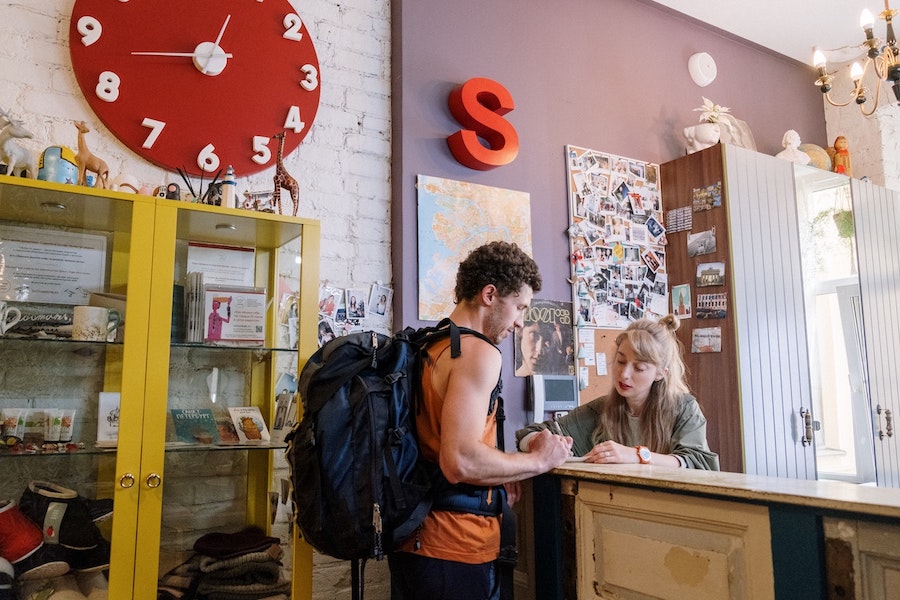
They are, for the most part. You’re usually sharing a room with other travellers doing the same thing as you, trying to see a place without spending much. It’s not random chaos. Most people just want somewhere cheap to sleep and maybe a bit of company.
I’ve stayed in hostels all over the world, and nothing serious has ever happened. No theft, no situations where I felt unsafe.
Where things go wrong tends to be pretty predictable. Poor security, missing lockers, dorms where people come and go at all hours, or a place that’s not run particularly well. Nothing dramatic, most of the time, just the kind of setup where problems are more likely.
That’s why it doesn’t really come down to whether hostels are safe or not. It comes down to which one you book.
What can go wrong in a hostel?

Most stays are fine, but when things do go wrong, it’s usually the same handful of issues. It’s rarely serious, but it’s the kind of stuff that makes a place harder to stay in.
Theft (rare, but it happens)
It’s not common, but it does happen. Phones, wallets, or anything left out in the open are the usual targets. It’s rarely anything organised, more a case of someone taking advantage of an easy opportunity.
If your stuff is locked away, it’s almost never a problem. Most issues come down to people leaving things out and assuming everyone in the room is trustworthy.
Poor security
Some hostels just don’t take it seriously. No lockers, doors that don’t properly lock, or people walking in and out without any real checks.
You don’t need anything over the top, but the basics should be there. If they’re not, it’s usually a sign the place isn’t run particularly well.
Chaotic dorms
You can’t control who you’re sharing with. Most people are fine, but every now and then you’ll end up in a room with late-night arrivals, early alarms, or someone who treats the place like a nightclub.
Not unsafe, just disruptive. It’s the kind of thing that doesn’t show up in photos but comes up quickly in reviews if it’s a regular issue.
Bad locations
A cheap hostel slightly outside the centre can look like a good deal until you’re walking back late at night and the area feels completely different.
It’s not always about distance, it’s about what that walk is actually like. If it doesn’t feel right, it usually isn’t.
What to check before booking a hostel

Most of the problems people run into with hostels start before they even arrive. It usually comes down to what they missed when booking.
Read recent reviews, not just the score
The overall rating doesn’t tell you much on its own. A hostel can sit at an 8 or 9 and still have the same issues coming up again and again.
Look at the most recent reviews and see what people are actually saying. If multiple people mention things like theft, broken lockers, or random people walking in off the street, that’s not a one-off. That’s how the place is run.
If the rating is high but recent reviews mention the same issue, trust the reviews over the score.
Check the location properly
“Central” can mean very different things. Some hostels are technically close to everything, but the area feels completely different once it gets dark.
Have a quick look at the maps and check what’s around it. If it looks quiet, poorly lit, or a bit out of the way, it probably is. Saving a bit of money isn’t worth feeling on edge every time you walk back.
Look for basic security
You don’t need anything fancy, but the basics should be there. Lockers, proper door access, and staff around at reception.
If a hostel doesn’t mention security at all, or reviews keep bringing it up, that’s usually a sign to skip it.
Spot the difference between social and chaotic
Some hostels are social. Others are just chaotic.
If reviews mention people coming in at all hours, constant noise, or a heavy party scene, expect that to affect your stay. Not dangerous, but not always what you want.
If reviews mention ‘great atmosphere’ and ‘no sleep’, it’s usually a party hostel.
What to avoid when booking a hostel
Some things aren’t worth risking. If you see the following, it’s better to book somewhere else.
Repeated mentions of theft or feeling unsafe
One bad review doesn’t matter. But if the same issue keeps coming up, that’s the hostel.
If you see repeated mentions of things going missing, people walking in off the street, or guests feeling uncomfortable, take it seriously. That’s not something that fixes itself.
No lockers or unclear security
If lockers or security aren’t clearly mentioned, assume they’re not a priority.
You don’t need high security, but you do need the basics. If it’s vague or reviews mention broken lockers or open access, it’s not worth the risk.
Listings that don’t show much
If the photos are limited, outdated, or avoid showing dorms and common areas, there’s usually a reason.
Same with descriptions that don’t mention anything about security, layout, or how the place runs. The good hostels tend to be clear about what you’re getting.
Areas you wouldn’t want to walk at night
A low price doesn’t mean much if the location feels off. If it looks isolated, poorly lit, or far from anything else, it usually feels exactly like that when you’re there.
You don’t need the best location, but you don’t want to be second-guessing the walk back every night.
Are hostels safe for solo female travellers?

In most cases, yes. You’ll see plenty of women travelling solo and staying in hostels, and most don’t run into serious issues.
That said, sharing a space with strangers isn’t for everyone, and some setups feel a lot more comfortable than others.
Female dorms and smaller rooms
If you’re unsure, start here. Female-only dorms are usually quieter and feel a bit more relaxed, especially if it’s your first time.
Smaller rooms make a difference as well. Fewer people, less coming and going, and it’s easier to get a sense of who you’re sharing with.
Knowing when to switch or leave
If something feels off, don’t overthink it. Whether it’s the room, the people, or the setup, you can always ask to move or just leave.
Most decent hostels won’t make it difficult, and it’s not worth sticking it out just because you’ve already paid.
Boundaries with other guests
Most people are just there to travel and keep to themselves, but you’ll still get the occasional person who pushes it a bit.
You don’t owe anyone conversation, plans, or your time. If someone makes you uncomfortable, step away or speak to staff. That’s normal in a shared space like this.
Simple safety tips for staying in a hostel
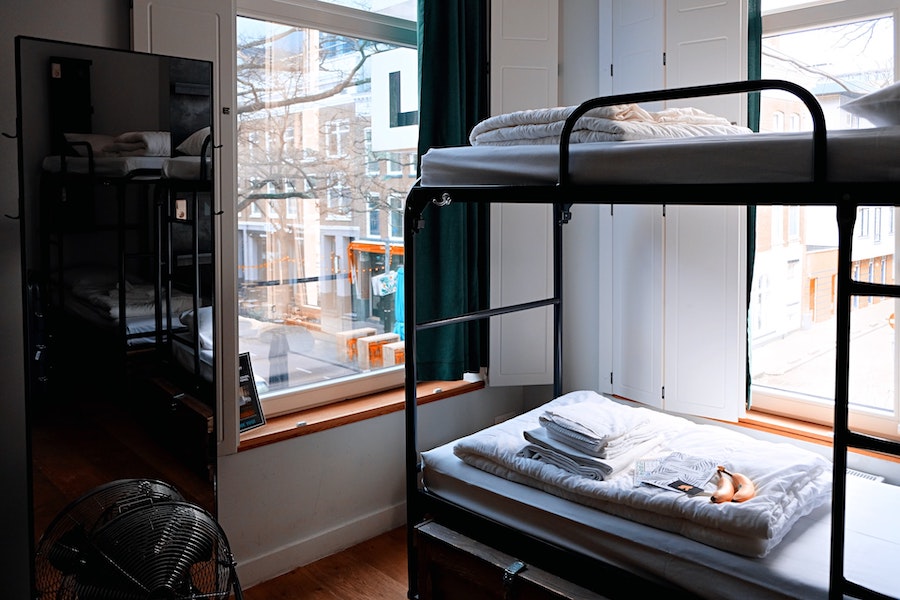
Most hostel issues aren’t about the place itself. They come down to small things people overlook. Once you’ve got these covered, there’s not much else to worry about.
Use a locker every time
If there’s a locker, use it. Even if you trust the people in your room.
Most theft in hostels comes down to things being left out. Lock your valuables away, and you remove most of the risk straight away.
Don’t leave valuables out
Phones, wallets, passports, anything expensive. Don’t leave them on your bed while you go for a shower or head out.
It’s not about assuming the worst in people. It’s just not giving anyone the opportunity.
Pack before early check-out
If you’ve got an early start, pack the night before. Digging through your bag at 5am isn’t just annoying for everyone else. It also means your stuff is spread out and easy to lose track of.
Move if something feels off
If the room, the hostel, or the situation doesn’t feel right, don’t try to push through it.
Ask to change rooms or leave. Most places will sort it, and if they don’t, that tells you everything you need to know.
FAQs About Hostel Safety
Still got a few questions? These come up a lot before booking a hostel.
How safe is staying in a hostel?
Generally safe. Most problems come down to poor choices when booking or being careless with valuables. Pick a well-reviewed hostel and you’ll likely have no issues.
Are hostels safe for solo female travellers?
Yes. Many women travel solo and stay in hostels without problems. Choosing female dorms, smaller rooms, and well-reviewed hostels makes a noticeable difference.
How do you avoid getting your stuff stolen in a hostel?
Use a locker, don’t leave valuables out, and keep things simple. Most theft happens when items are left unattended, not because someone is targeting you.
What are the disadvantages of staying in a hostel?
Less privacy, shared spaces, and the chance of noisy or inconsiderate guests. Not unsafe, but not always comfortable if you pick the wrong place.
Do all hostels have bed bugs?
No, but it can happen anywhere with high guest turnover. Clean, well-reviewed hostels rarely have issues. If multiple reviews mention it, avoid.
Wrapping Up: Are Hostels safe?
Most of the time, yes. Hostels are generally safe if you pick the right ones, especially in destinations that are already considered safe for travellers based on official travel advice.
The problems people run into are usually avoidable. It’s rarely about hostels being dangerous, more about booking somewhere that isn’t run well or doesn’t suit what you need.
If you’re unsure, book somewhere with strong reviews for your first night. You’ll figure out quickly what works for you after that.