
2 Days in Florence Itinerary
Most people try to fit too much into Florence and end up spending half their trip in queues or walking back on themselves. Two days can pass by quickly if you don’t have a clear plan.
With two days in Florence, you’ve got enough time for the obvious highlights like the Duomo, Uffizi and David, without rushing between them. Florence is easy to explore on foot, but poor planning can waste a few hours without you realising.
We only had a couple of days here as well, which meant being a bit more selective. Not everything is worth the time once you factor in queues, ticket slots and walking between places.
This post takes you through a clear two-day route through Florence, covering the key highlights, what to book in advance, and how to plan it without wasting time
Day 1: Duomo, Historic Centre and Sunset Views
Your first day in Florence is mostly spent around the historic centre, with Florence’s best-known landmarks all within walking distance. A bit of planning early on makes the rest of the day run far more smoothly.
The Duomo (Florence Cathedral)
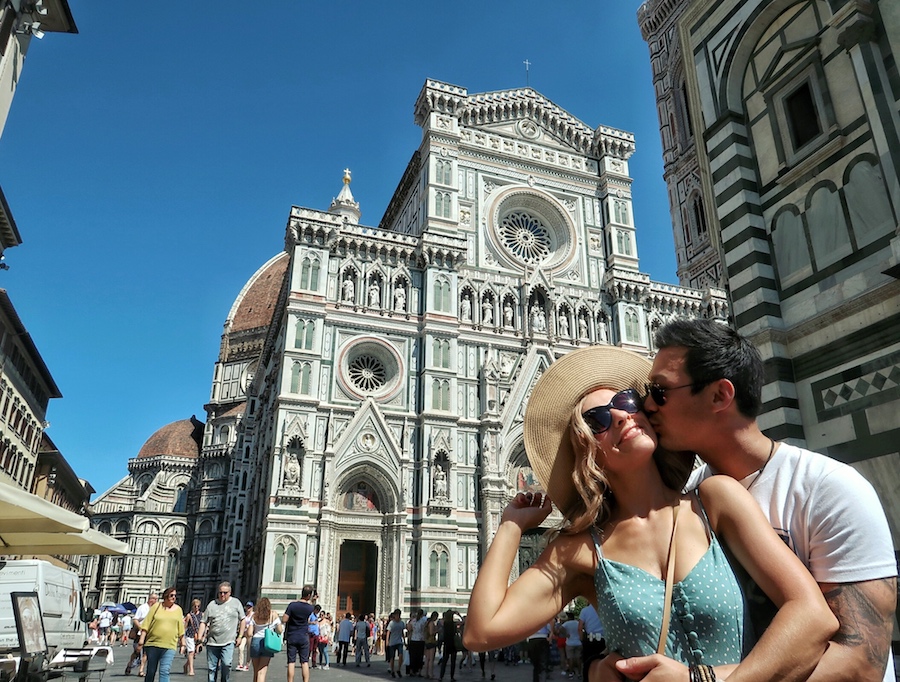
Start early at the Duomo, the huge cathedral that dominates the centre of Florence with its patterned marble exterior and enormous dome sitting above the city. It’s the focal point of the city, so it gets busy quickly.
If you want to climb the Cupola, book this in advance and plan your morning around your time slot. It’s one of the few things here worth planning your day around.
Right next to it is Giotto’s Bell Tower, which is worth considering if you’re not set on the dome. From the top, you’re looking back at the dome itself rather than standing on it, which makes a difference.
The cathedral is free to enter, but the line can be slow-moving. If you’re short on time, the exterior is the part that stands out anyway, and you’ll get more from walking around the square than waiting to go inside.
Piazza della Signoria & the Historic Centre
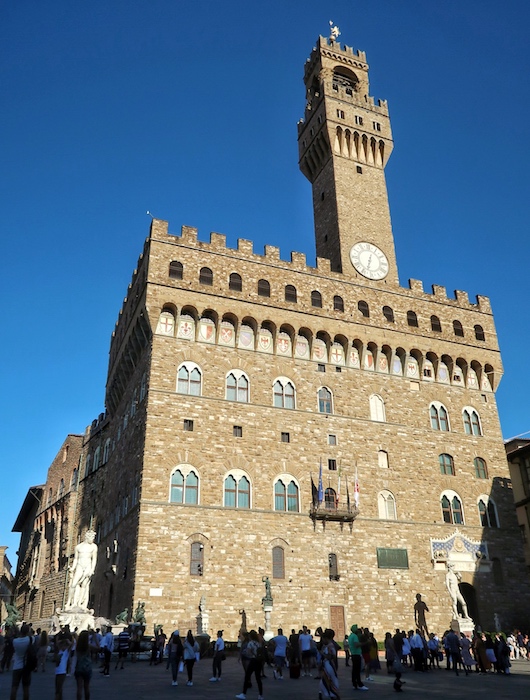
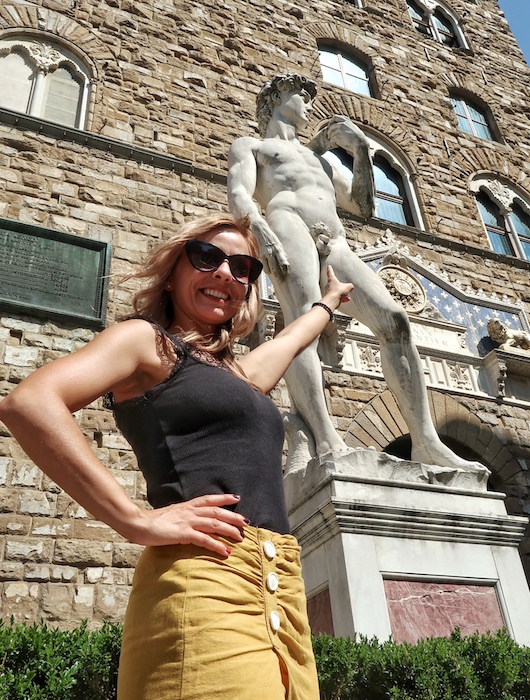
From the Duomo, it’s a short walk into the centre where the streets open up into Piazza della Signoria, a large square surrounded by historic buildings and filled with statues, including a replica of Michelangelo’s David standing outside the town hall.
On the way, you’ll also pass Il Porcellino, the small bronze boar statue tucked under the market. People rub its nose for good luck and drop a coin into the grate below. It takes less than a minute, but it’s one of those small things people tend to stop for.
Small cafés and sandwich shops spill out across this part of the centre, so it’s an easy place to stop for a coffee or something quick.
Ponte Vecchio & the River
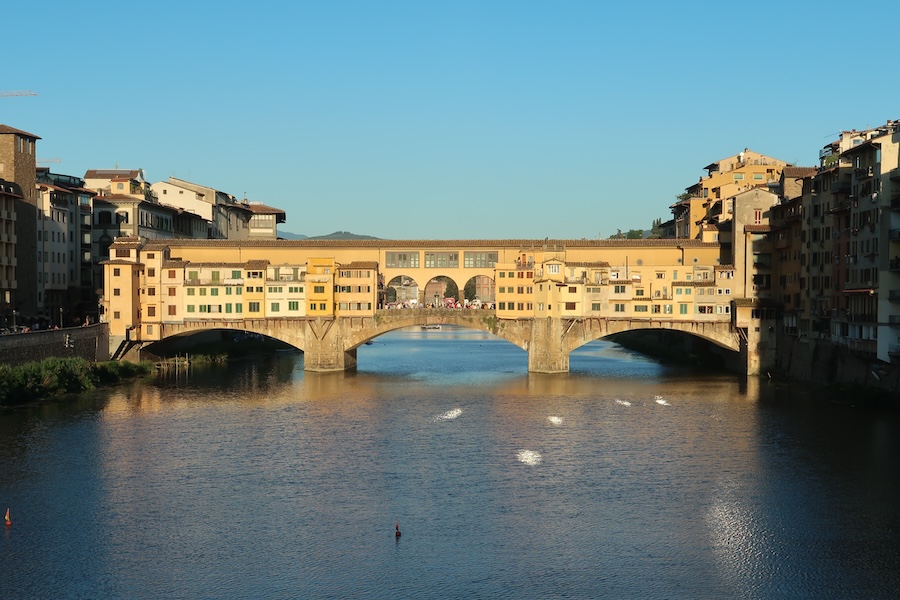
Head towards the river and cross Ponte Vecchio, a historic bridge lined with small jewellery shops built along both sides. Crowds build here quickly, especially through the middle of the day.
It’s not the best place to stop for photos, so it’s worth continuing a little further along the river once you’ve crossed. From there, you get a much clearer view back towards the bridge without the crowds.
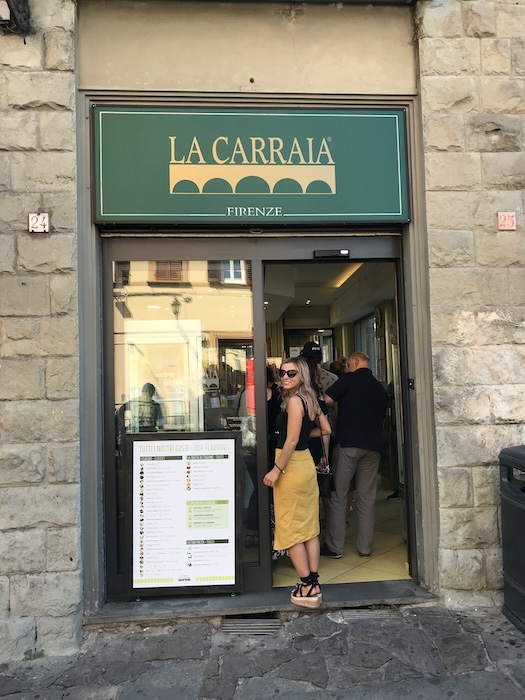
You could even carry on to the next bridge along for even better views. This is also where we stopped at Gelateria La Carraia, which ended up being one of the best gelatos we had in Italy.
Optional: Santa Croce (If You Want More Than the Main Sights)
If you want to go a bit further than the regular landmarks, Santa Croce is one of the more worthwhile additions.
It’s a large church set on its own square, and inside you’ll find tombs of figures like Michelangelo and Galileo, along with more detailed artwork than you’ll see in the cathedral.
It’s quieter than the streets around the Duomo and usually far less crowded inside.
Piazzale Michelangelo (Sunset Viewpoint)
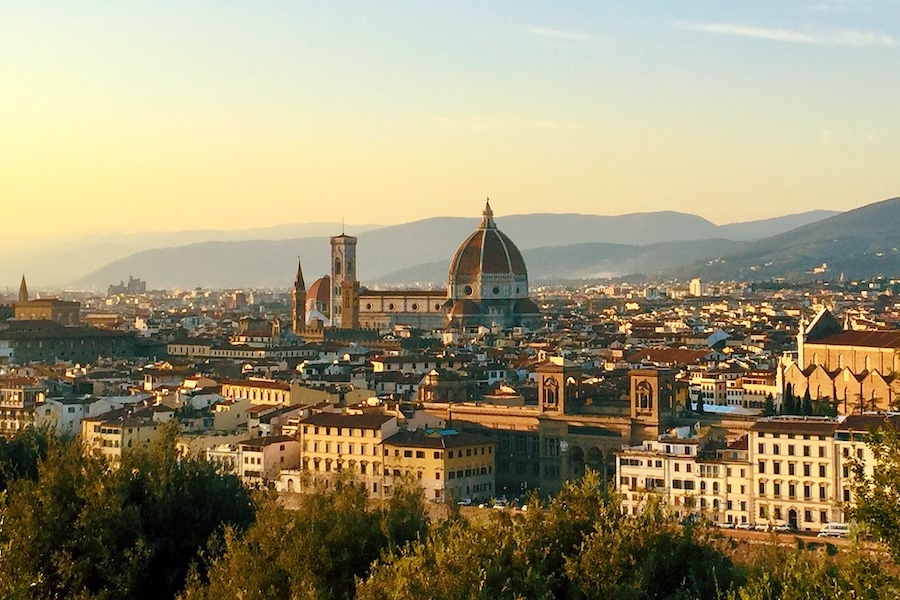
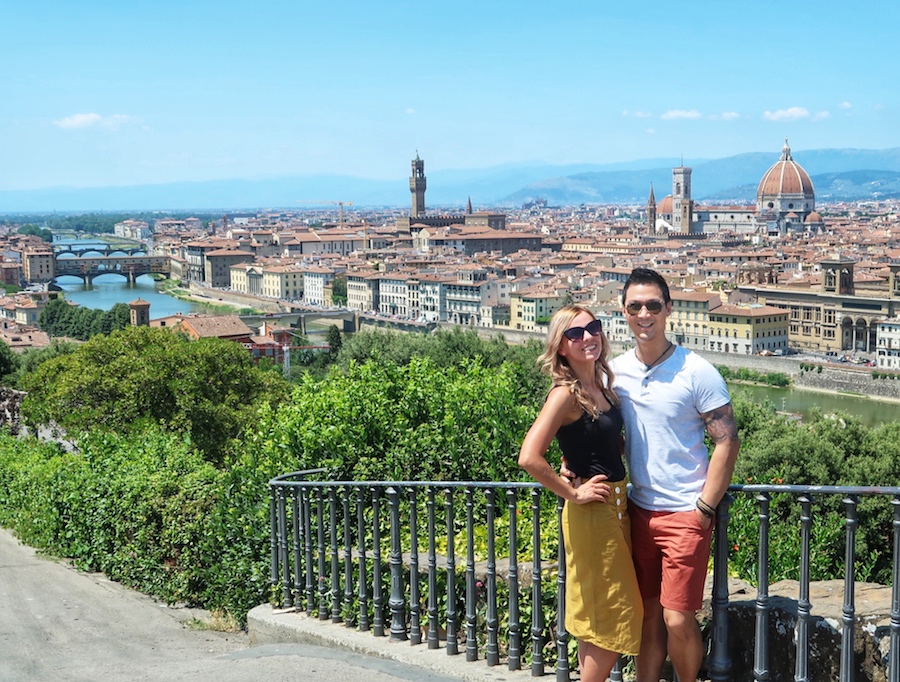
Finish the day with a walk up to Piazzale Michelangelo, where you get a clear view back across Florence, with the Duomo and rooftops as the light starts to drop.
It’s a steady uphill walk, but once you’re there, you can see how compact the city really is, with everything you’ve covered laid out below.
If you’d rather stay in the centre, this is also a good point to stop for a drink instead. A few rooftop bars overlook the Duomo, and you can sit with the view without heading out of the centre.
Day 2: Art, Museums & a Slower Afternoon
Your second day leans more into Florence as an art city, with time for one of the most visited museums and a few quieter stops around it.
Uffizi Gallery or Accademia
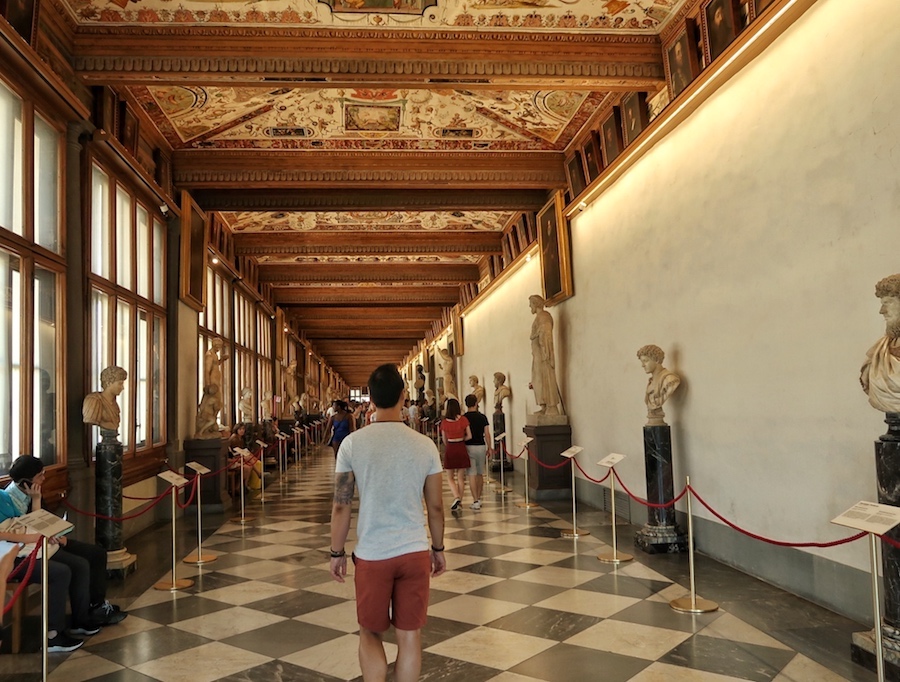
The Uffizi is Florence’s largest gallery, filled with Renaissance paintings from artists like Botticelli and Leonardo da Vinci. It takes a few hours once you factor in queues and ticket times.
The Accademia is smaller and more focused, and this is where you’ll find Michelangelo’s David. Most people are in and out within an hour or so.
We didn’t manage both on our visit and had to prioritise one. Trying to fit both in back-to-back usually means rushing one or cutting into the rest of your day.
If art is a priority, you can do both. Many people do, but it’s better to split them across the two days rather than stacking them together. Otherwise, most of your day ends up spent inside museums.
San Marco or Cappelle Medicee
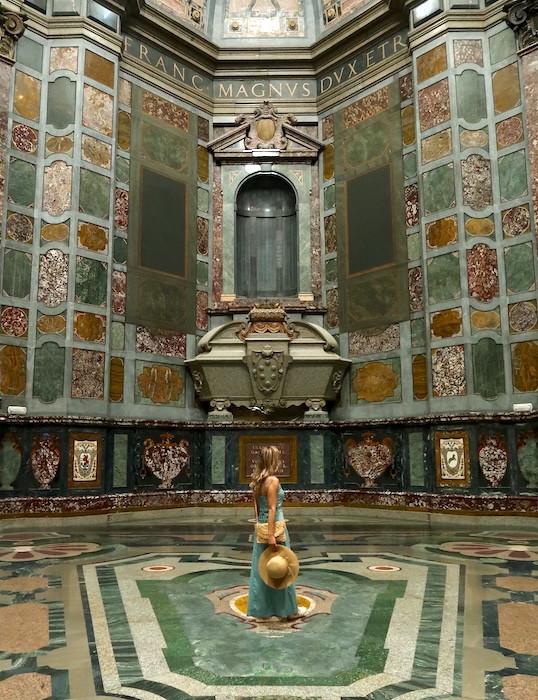
If you want to add another stop after your museum visit, this is where the smaller museums fit more naturally.
San Marco is set inside a former monastery, with simple rooms covered in frescoes painted directly onto the walls. It’s quiet, and you move through it fairly quickly.
The Medici Chapels are more central, with detailed interiors and tombs of the Medici family, the rulers who shaped Florence during the Renaissance. It’s a shorter visit, but more decorative.
You don’t need both. One fits easily alongside your main museum without stretching the day.
Lunch Around the Centre or Mercato Centrale
After a few hours inside, this is a good point to sit down and eat properly.
Mercato Centrale is one of Florence’s most popular indoor food markets, with multiple stalls selling everything from pasta and pizza to sandwiches and desserts. It’s easier than spending half an hour trying to pick somewhere nearby.
Otherwise, just pick somewhere nearby in the centre and take a break before carrying on.
Boboli Gardens or Oltrarno
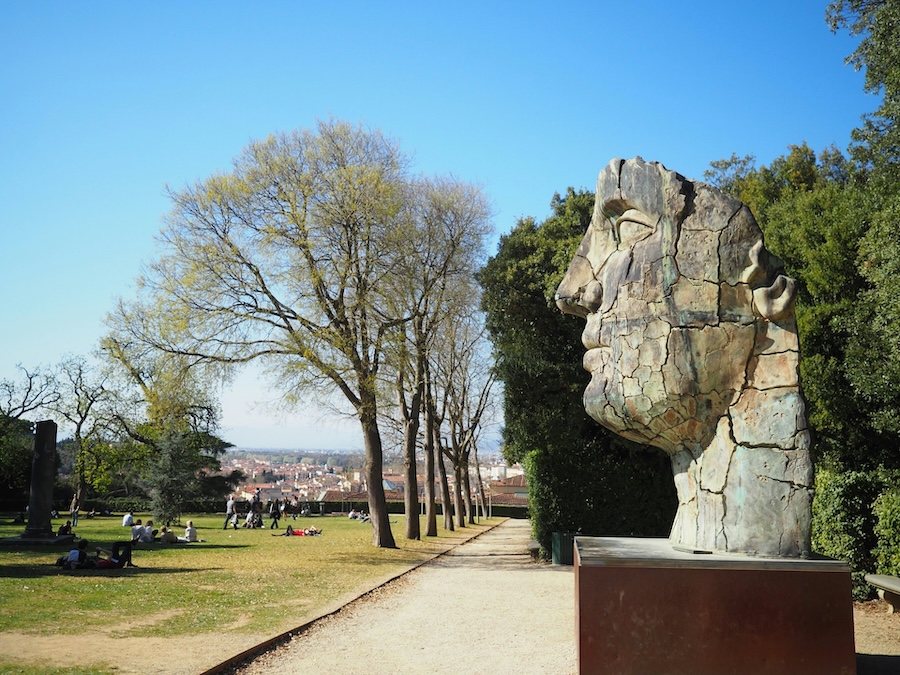
After the museums, it helps to get out of the centre again.
Boboli Gardens sit behind Pitti Palace, with open paths, statues and views back towards Florence. It’s one of the few places where you’re not surrounded by streets and crowds the whole time.
Alternatively, spend some time in the Oltrarno area on the other side of the river. The streets are quieter, with small workshops and fewer people than in the centre.
Evening in Florence
The centre stays busy well into the evening, especially around Piazza della Signoria and the river, with restaurants and wine bars full long after sunset.
By now, you’ll have already passed most of the major sites, so this is more about going back to anywhere you didn’t spend much time in on your first day.
What to Book in Advance In Florence
You don’t need to pre-book much in Florence, but a few places will leave you queuing outside if you turn up on the day. Sorting these out before you arrive saves you from having to plan around ticket availability.
Duomo (Cupola Climb)
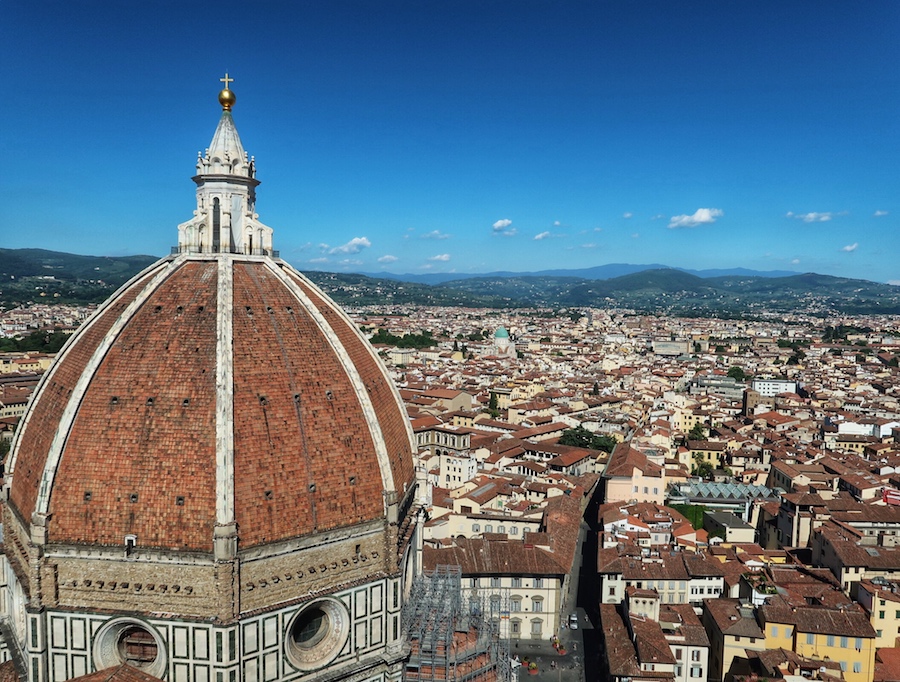
If you’re planning to climb the dome, book this in advance and choose a time slot early in the day.
Entry is timed, and without a booking, you’ll either be waiting around or coming back later just for this. It’s one of the few things in Florence that can interrupt your plans if you leave it too late.
Uffizi Gallery
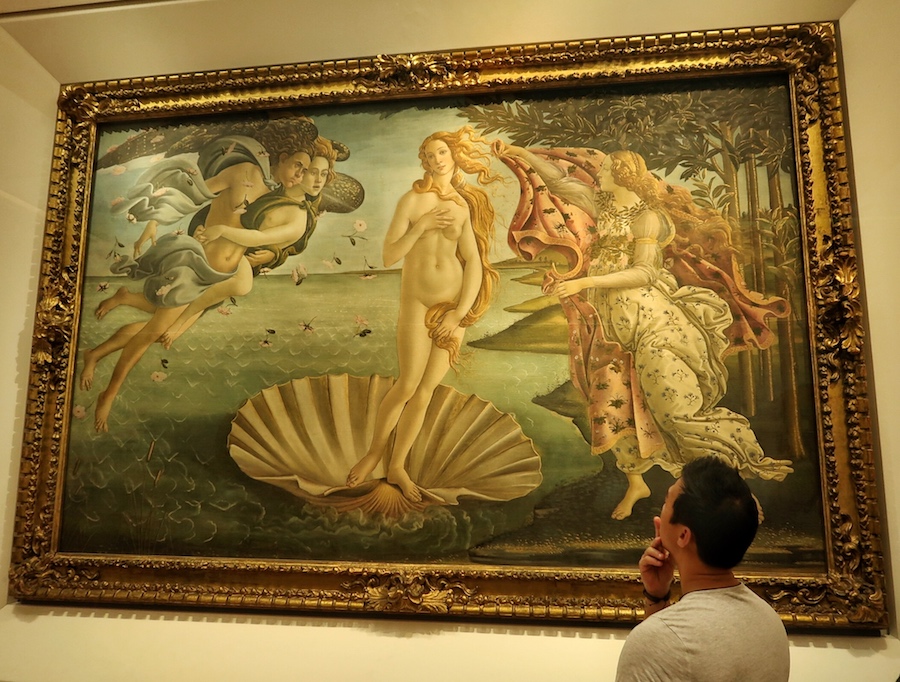
The Uffizi is one of the busiest places in Florence, with queues forming outside from early in the day.
Booking a timed ticket means you walk straight in at your slot instead of standing in line, which can easily take an hour or more in peak season.
Accademia Gallery (David)
The Accademia is smaller, but the line to see Michelangelo’s David gets long early in the day.
The visit itself doesn’t take long, so it’s worth booking ahead rather than spending most of that time queueing.
Optional: Smaller Museums
Places like the Medici Chapels or San Marco are easier to visit without booking.
They’re smaller, less crowded, and don’t rely on strict time slots, so you can fit them in around the rest of your day.
What You Don’t Need to Book
Most of Florence doesn’t need advance planning.
You can walk through the main squares, cross Ponte Vecchio, visit churches and head up to viewpoints without tickets or fixed times.
Is 2 Days in Florence Enough?
Two days in Florence is enough to see the key highlights without rushing between them, but you won’t see everything.
You can cover the Duomo, walk through the historic centre, visit one of the famous museums, and still have time to sit down and enjoy it without constantly watching the time.
Where it starts to feel tight is with the bigger museums. The Uffizi alone can take a few hours, and trying to fit that alongside the Accademia, churches, and everything else usually means rushing parts of the day.
We only had two days ourselves and had to prioritise, which is fairly typical. Most people visit Florence as part of a wider Italy trip, so you’re not trying to do everything in one go.
Florence is also easy to combine with cities like Milan or Venice if you’re travelling through Italy by train.
If you have more time, a third day gives you space for another museum or a slower afternoon. But for a first visit, two days is enough to see the main sights and leave without feeling like you’ve missed anything obvious.
FAQs: Two Days In Florence
Most of the questions around Florence come down to time and planning. Two days are enough to see a lot, but only if you’re clear on what actually needs booking and what doesn’t.
Is two days in Florence enough?
Yes, for a first visit. You can see the Duomo, walk through the centre, and visit one museum without rushing. Trying to do more usually means spending too much time in queues or moving too quickly between places.
What should I not miss in Florence?
The Duomo is the main landmark and is hard to miss. Beyond that, most people choose between the Uffizi and Michelangelo’s David. Piazza della Signoria and Ponte Vecchio sit naturally on your route, and the view from Piazzale Michelangelo is worth the walk.
Do you need to book Florence attractions in advance?
Only a few. The Duomo dome climb, Uffizi Gallery, and Accademia are the main ones. Without booking, you’ll likely spend time queueing or adjusting your plans around ticket availability.
Is Florence a walkable city?
Yes. The most popular sights are close together, so you can get around on foot without needing transport.